

























EV Insurance Guide
Volvo EX40
Volvo EX40 insurance considerations for the U.S. electric compact SUV, including its high-voltage battery, Single Motor and Twin Motor configurations, Volvo safety technology, specialized repairs, charging equipment, and total-loss valuation.
Overview
The Volvo EX40 is a five-passenger, all-electric compact SUV marketed in the United States as the successor to the fully electric Volvo XC40 Recharge.
Volvo introduced the EX40 name as part of its updated electric vehicle naming strategy. Earlier XC40 Recharge vehicles retain their original model designation and should not automatically be treated as EX40 models for insurance or valuation purposes.
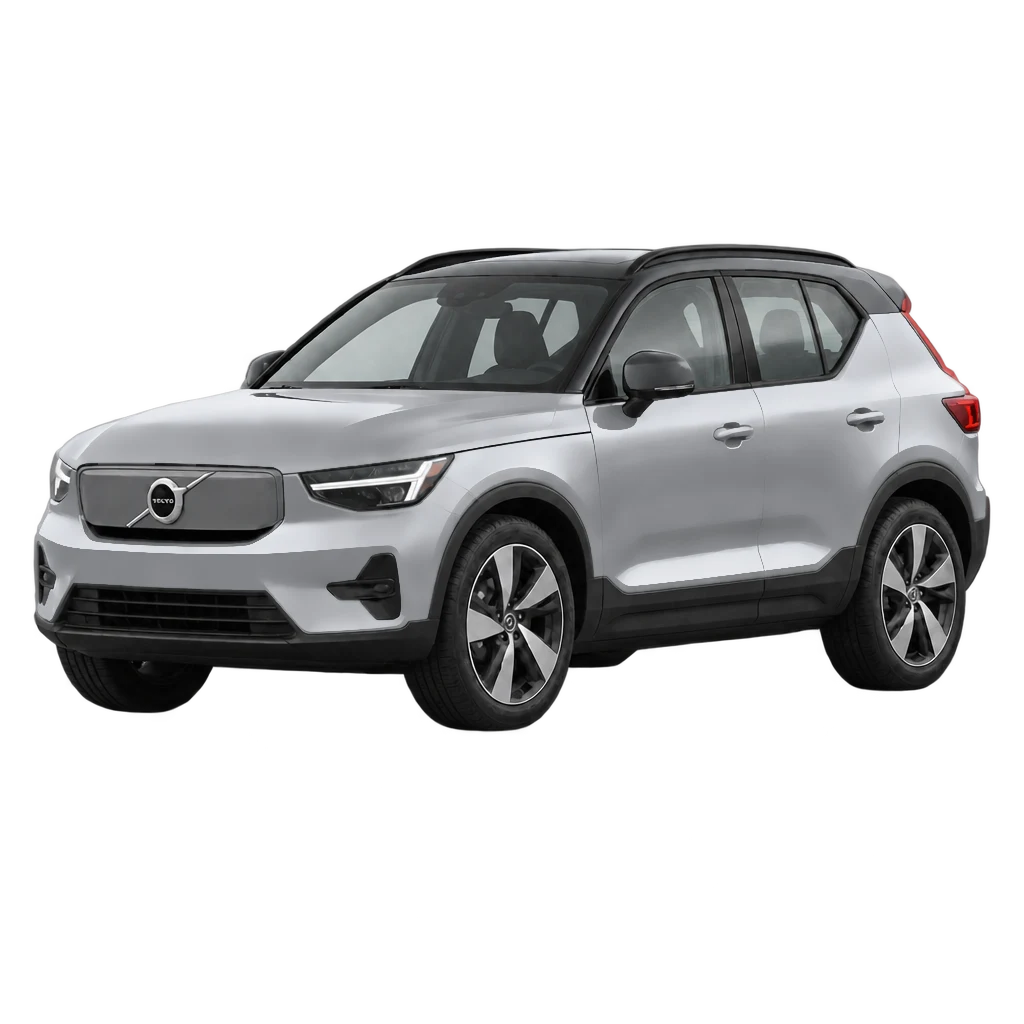
The EX40 combines a compact SUV body with an electric drivetrain, high-voltage lithium-ion battery, modern infotainment technology, and Volvo driver-assistance systems.
U.S.-market configurations have included Single Motor Extended Range rear-wheel drive and Twin Motor all-wheel drive, depending on model year and equipment.
Single Motor Extended Range versions use one rear electric motor. Twin Motor configurations use electric motors at both axles to provide all-wheel drive.
These configurations differ in battery equipment, drivetrain components, performance, and published driving range.
Relevant U.S. specifications have identified an approximately 82-kWh gross battery for Single Motor Extended Range versions and approximately 78-kWh gross capacity for certain Twin Motor versions.
Owners should verify the battery, drivetrain, and equipment associated with their exact model year and VIN rather than assuming that every EX40 has the same configuration.
The EX40's high-voltage battery is installed beneath the passenger compartment. Its electric drivetrain includes power electronics, charging components, thermal management equipment, and integrated electronic controls.
The vehicle includes a digital instrument display, central infotainment screen, and connected vehicle features. Equipment and software functions vary by model year and trim.
Volvo driver-assistance technology may include automatic emergency braking, lane assistance, blind-spot monitoring, adaptive cruise control, parking cameras, and other available systems.
The vehicle's cameras, radar sensors, glass, lighting, and electronic modules may require specialized procedures after certain collision or windshield repairs.
Its compact SUV body includes a rear liftgate, large glass areas, and model-specific exterior panels. Repair estimates should reflect the actual vehicle and factory-installed equipment.
Insurance considerations include high-voltage battery protection, rear-wheel-drive versus all-wheel-drive repair differences, qualified electric vehicle repair facilities, driver-assistance calibration, glass replacement, and accurate total-loss valuation.
This guide focuses on U.S.-market EX40 vehicles associated with the 2025 and 2026 model years. Specifications and availability should be confirmed for the exact VIN, model year, and configuration.
How Much Does Volvo EX40 Insurance Cost?
Volvo EX40 insurance premiums depend on the driver's history, location, annual mileage, model year, vehicle value, drivetrain, trim, intended use, coverage limits, deductibles, and insurer. The EX40 is a compact electric SUV with a high-voltage battery, electric drive units, advanced electronics, and modern safety technology. These characteristics may influence repair estimates following certain covered losses. The high-voltage battery is mounted beneath the passenger compartment. Certain collisions or underbody impacts may require specialized inspections, electrical diagnostics, and manufacturer-specific repair procedures. Drivetrain configuration matters. Single Motor Extended Range versions use one rear electric motor, while Twin Motor versions include front and rear drive units. The additional drivetrain equipment on all-wheel-drive configurations may affect replacement parts, repair procedures, and vehicle valuation. Battery specifications also vary by configuration. Owners should confirm the correct battery equipment rather than assuming every EX40 uses an identical pack. The EX40 includes cameras, radar sensors, lighting systems, and electronic driver-assistance technology that may require inspection or calibration after certain repairs. Windshield, bumper, mirror, or collision repairs may involve specialized procedures depending on the vehicle's installed equipment. Trim equipment can also influence repair costs. Wheel designs, panoramic roof glass, interior features, parking technology, and lighting may differ by model year and configuration. Repair timelines may be influenced by replacement-part availability and access to facilities qualified to service Volvo electric vehicles. Vehicle values can differ between Single Motor and Twin Motor configurations, trim levels, model years, and equipment packages. Because the EX40 succeeded the XC40 Recharge, owners should ensure that quotes and total-loss valuations identify the correct vehicle designation and model year. There is no universal Volvo EX40 insurance premium. Compare personalized quotes using the exact VIN, model year, drivetrain, trim, garaging location, annual mileage, coverage limits, and deductibles.
What affects insurance cost
Several factors specific to the Volvo EX40 are worth understanding when shopping for insurance.
High-Voltage Battery Configuration
The Volvo EX40 uses a high-voltage lithium-ion battery beneath the passenger compartment. Relevant U.S. configurations have included approximately 82-kWh gross capacity for Single Motor Extended Range and approximately 78-kWh gross capacity for certain Twin Motor versions. Battery equipment should be verified by VIN and model year. Certain impacts may require specialized inspections and high-voltage diagnostics.
Single Motor and Twin Motor Drivetrains
Single Motor Extended Range EX40 versions use a rear electric motor, while Twin Motor versions add a front electric motor for all-wheel drive. The additional drivetrain components can influence repair requirements, replacement parts, and vehicle valuation. Insurance quotes should identify the correct drivetrain.
Volvo Safety and Driver-Assistance Technology
The EX40 includes advanced safety and driver-assistance equipment that may use cameras, radar sensors, and electronic controls. Certain windshield, bumper, mirror, or collision repairs may require inspection, diagnostics, or calibration. Required procedures depend on the installed systems and applicable Volvo repair instructions.
Glass, Lighting, and Trim Equipment
Volvo EX40 configurations may differ in panoramic roof glass, exterior lighting, wheels, interior features, and parking technology. Equipment availability varies by model year and trim. Repair estimates and insurance valuations should reflect the vehicle's actual factory-installed equipment.
Specialized EV Repairs and Parts Availability
Repairs involving the EX40 high-voltage battery, electric motors, charging electronics, or thermal management equipment may require qualified Volvo EV technicians and specialized diagnostic tools. Replacement-part availability and repair facility access may affect the cost and timing of eligible covered repairs.
Model Identity and Total-Loss Value
The EX40 succeeded the fully electric XC40 Recharge under Volvo's updated naming system. Owners should ensure that insurers identify the correct EX40 model year, drivetrain, trim, mileage, condition, and equipment. Earlier XC40 Recharge vehicles should not automatically be treated as equivalent EX40 comparables without appropriate adjustments.
Battery and insurance
The Volvo EX40 uses a high-voltage lithium-ion traction battery mounted beneath the passenger compartment. Battery configurations differ by drivetrain and model year. Relevant U.S.-market specifications have identified approximately 82 kWh of gross battery capacity for Single Motor Extended Range versions and approximately 78 kWh for certain Twin Motor all-wheel-drive versions. Owners should verify the actual battery specification using the VIN and applicable Volvo model-year documentation. The battery system includes protective structures, high-voltage connections, electronic controls, and thermal management components. Certain collisions, road-debris strikes, or underbody impacts may require specialized battery enclosure inspections, electrical isolation checks, and high-voltage diagnostic procedures. Collision coverage may apply to physical battery damage caused by an eligible accident. Comprehensive coverage may apply to qualifying non-collision events such as certain fires, flooding, or falling objects. Actual coverage depends on policy terms, exclusions, deductibles, and the circumstances of the loss. Ordinary battery aging, gradual capacity loss, and unrelated mechanical or electrical failure generally fall outside standard auto insurance coverage. Volvo's applicable high-voltage battery warranty is separate from insurance and has its own terms and limitations. A battery warning or damaged protective component does not automatically require complete battery replacement or mean that the vehicle must be declared a total loss. Repair decisions depend on the actual damage, available manufacturer procedures, qualified technician assessments, and applicable safety requirements. The EX40's high-voltage equipment may require specialized labor, diagnostic tools, and appropriate replacement components. Owners should ask insurers how battery inspections, manufacturer-specific repair procedures, and transportation expenses are handled after an eligible covered loss. Damage to the vehicle's charging inlet and associated electronics should be distinguished from damage to a permanently installed home charging station or separately owned charging accessories.
Repair considerations
The Volvo EX40 uses an electric vehicle drivetrain with a high-voltage lithium-ion battery, electric motors, charging electronics, thermal management equipment, and integrated vehicle control systems. Repairs involving the battery enclosure, high-voltage wiring, electric drive units, or charging system may require qualified technicians and Volvo-specific diagnostic procedures. Single Motor Extended Range configurations use one rear electric motor. Twin Motor configurations use front and rear electric motors for all-wheel drive. Replacement parts and repair procedures should reflect the exact drivetrain, battery configuration, and model year. Certain underbody impacts may require inspection of battery protection structures and nearby high-voltage equipment. The EX40's compact SUV body includes a rear liftgate, specialized exterior panels, lighting, and substantial window glass. Body repairs may involve manufacturer-specific replacement parts, structural procedures, and careful alignment of adjacent components. Trim equipment may include panoramic roof glass, different wheel designs, parking technology, lighting features, and additional interior equipment. Repair estimates should reflect the actual VIN and factory-installed equipment. Windshield, bumper, mirror, and collision repairs may require inspection or calibration of cameras, radar sensors, and driver-assistance technology. The EX40's electronic displays, infotainment functions, charging controls, and integrated vehicle software may require diagnostics after certain damage. Replacement-part availability and access to qualified Volvo electric vehicle repair facilities may influence repair timelines. Owners should ask whether the insurer's repair network can follow applicable Volvo high-voltage safety procedures and perform required driver-assistance calibration. Optional rental reimbursement and towing coverage may be useful following an eligible covered loss, subject to policy limits and conditions.
Cameras, sensors, glass and technology
The Volvo EX40 includes modern safety, driver-assistance, infotainment, and electronic vehicle control systems. Depending on model year, trim, and installed equipment, available functions may include adaptive cruise control, automatic emergency braking, lane assistance, blind-spot monitoring, parking assistance, and Volvo's Pilot Assist technology. These systems rely on combinations of cameras, radar sensors, electronic control modules, and related software. Certain windshield replacements, bumper repairs, mirror replacements, or collision repairs may require inspection, calibration, or diagnostic procedures. The exact work depends on the installed equipment, damage location, and applicable Volvo service requirements. The EX40 includes digital instrumentation, a central infotainment screen, connected vehicle technology, and electronic driving controls. Certain configurations may include panoramic roof glass, additional parking cameras, upgraded lighting, or other specialized equipment. Glass replacement costs and related calibration requirements may differ depending on the damaged component and the vehicle's actual equipment. The EX40's rear liftgate, exterior sensors, lighting systems, and body components may involve additional electronic or mechanical work during collision repairs. Software updates and vehicle configuration can affect the availability or operation of certain connected and driver-assistance functions. Owners should verify the equipment installed on their vehicle rather than assuming every EX40 has identical technology. Driver-assistance systems support attentive driving but do not replace the driver, guarantee accident prevention, or automatically reduce insurance premiums. Insurance quotes and repair estimates should reflect the exact model year, drivetrain, trim, installed technology, and applicable Volvo repair procedures.
Coverage considerations
Volvo EX40 owners should compare liability, collision, comprehensive, uninsured or underinsured motorist coverage, and applicable medical coverage. Requirements and availability vary by state and insurer. Collision coverage generally applies to eligible accident-related vehicle damage, while comprehensive coverage generally addresses qualifying non-collision events such as theft, fire, falling objects, and certain weather-related losses. Both are subject to policy terms, exclusions, and deductibles. The EX40 is an electric compact SUV with a high-voltage lithium-ion battery, electric drive equipment, charging electronics, and advanced driver-assistance systems. Owners should understand how their insurer handles specialized electric vehicle repairs following a covered loss. Physical damage to the high-voltage battery caused by an eligible collision or comprehensive event may be covered. Ordinary battery aging, gradual capacity loss, and unrelated mechanical or electrical failure generally fall outside standard auto insurance coverage. Battery equipment varies by drivetrain and model year. Owners should confirm that their insurer and repair facility identify the correct vehicle, battery, and electric drive configuration using the exact VIN. Single Motor Extended Range versions use one rear electric motor, while Twin Motor versions include front and rear electric motors. The additional drivetrain equipment on all-wheel-drive configurations may affect repair procedures, replacement parts, and vehicle valuation. The EX40 includes cameras, radar sensors, and driver-assistance technology. Certain windshield, bumper, mirror, or collision repairs may require inspection or calibration. Owners should confirm how manufacturer-specified diagnostic and calibration procedures associated with an eligible covered repair are handled. Trim equipment may influence repair expenses. Panoramic roof glass, exterior lighting, parking technology, wheels, and interior features can vary by model year and configuration. Damage to the vehicle's charging inlet or associated electronics may be covered when caused by an eligible insured event. Coverage for a permanently installed home charging station or separately owned charging accessories should be verified separately. Owners should confirm whether their insurer supports qualified Volvo electric vehicle repair facilities, manufacturer-specific replacement parts, and high-voltage safety procedures. Optional rental reimbursement and towing coverage may be useful following a covered loss, subject to policy limits and conditions. Financed or leased owners may also wish to compare available loan or lease gap protection. Eligibility, exclusions, and payment limits depend on the applicable agreement.
Deductibles
A deductible is the amount an insured owner pays toward an eligible claim before the applicable insurance payment. Collision and comprehensive coverage commonly have separate deductibles. Choosing a higher deductible may reduce the premium but increases out-of-pocket expenses after a covered loss. A lower deductible generally increases the premium while reducing the owner's share of an eligible claim. For the Volvo EX40, deductible decisions should account for the potential cost of high-voltage battery inspections, electric drivetrain repairs, charging electronics, specialized body components, glass replacement, and driver-assistance calibration. The EX40's battery is mounted beneath the passenger compartment. Certain collisions or underbody impacts may require specialized inspections and diagnostic procedures. Single Motor Extended Range and Twin Motor configurations have different electric drive equipment. Replacement parts and repair procedures should match the exact drivetrain. Windshield, bumper, or mirror repairs may require camera or radar inspection and calibration. Glass coverage, applicable deductibles, and reimbursement for associated procedures vary by policy and state. Certain trims include panoramic roof glass, upgraded lighting, advanced parking technology, and additional interior equipment. These features may influence the financial impact of a claim. Owners should choose deductibles that are financially manageable and appropriate for the vehicle's current value. Compare quotes using equivalent liability limits, collision and comprehensive deductibles, and optional benefits. A lower quoted premium does not necessarily provide equivalent protection.
Accidents and total loss
A Volvo EX40 may be declared a total loss when repair costs meet applicable insurer and state-law criteria relative to the vehicle's value. Total-loss thresholds and settlement methods vary by jurisdiction and policy. A total-loss evaluation may consider damage to the vehicle structure, high-voltage battery enclosure, electric drive units, charging electronics, thermal management systems, glass, and other components. Certain collisions or underbody impacts may require specialized battery inspections and high-voltage diagnostics. Damage involving an expensive component does not automatically mean that the vehicle must be declared a total loss. Repair feasibility may depend on Volvo replacement-part availability, qualified repair facilities, manufacturer procedures, and applicable safety requirements. Standard auto insurance generally settles total losses using actual cash value, considering the vehicle's model year, mileage, condition, drivetrain, trim, factory equipment, and comparable market information. The EX40 succeeded the fully electric XC40 Recharge under Volvo's updated naming system. Owners should ensure that the insurer correctly identifies the vehicle rather than automatically treating every earlier XC40 Recharge as an identical EX40. Single Motor Extended Range rear-wheel-drive and Twin Motor all-wheel-drive configurations have different drivetrain equipment, battery specifications, performance characteristics, and market values. These configurations should not automatically be treated as equivalent when selecting comparable vehicles. Trim equipment such as panoramic roof glass, parking technology, lighting, wheels, and interior features may also affect valuation. Owners should review the insurer's valuation report and confirm that it reflects the correct VIN, model year, drivetrain, trim, mileage, condition, and installed equipment. Where comparable vehicles differ substantially in configuration, owners should ask how the insurer adjusted for drivetrain, battery equipment, model-year differences, and factory-installed features. Owners who disagree with a valuation should review the policy's dispute procedures and applicable state requirements. Supporting documentation may include the original window sticker, equipment records, vehicle condition evidence, and relevant comparable market information. For financed or leased vehicles, optional gap coverage may help address certain differences between an eligible total-loss settlement and the outstanding loan or lease balance. Availability, exclusions, and payment limits depend on the coverage agreement.
Questions to ask an insurer
Does your quote correctly identify my Volvo EX40 model year, Single Motor Extended Range or Twin Motor drivetrain, trim, battery configuration, and factory-installed equipment?
Does collision or comprehensive coverage include physical damage to the EX40 high-voltage battery caused by an eligible insured event, and how is ordinary battery degradation treated?
Can I use a qualified Volvo electric vehicle repair facility experienced with high-voltage batteries, electric drive units, and manufacturer-specific collision procedures?
How does your claims process handle Volvo-specific replacement parts, specialized diagnostics, and repair delays involving the EX40 battery, drivetrain, charging equipment, or body components?
Are camera, radar, and driver-assistance system inspections or calibrations covered when required as part of an eligible windshield, bumper, mirror, or collision repair?
How will you determine actual cash value if my EX40 is declared a total loss, and will the valuation reflect its correct model designation, model year, drivetrain, battery configuration, trim, and factory-installed equipment?
What rental reimbursement, towing, and optional loan or lease gap protection benefits are available, and what limits, waiting periods, or exclusions apply?
Ways to shop smarter
Compare personalized insurance quotes using the exact VIN, model year, Single Motor Extended Range or Twin Motor drivetrain, battery configuration, trim, and factory-installed equipment.
Use equivalent liability limits, collision and comprehensive deductibles, and optional benefits when comparing premiums from different insurers.
Confirm how the policy covers physical damage to the high-voltage battery and electric drivetrain following an eligible insured event, while recognizing that ordinary battery degradation is generally excluded.
Ask whether the insurer supports qualified Volvo EV repair facilities and how it handles manufacturer-specific replacement parts, specialized labor, and repair delays.
Verify that necessary camera, radar, and driver-assistance system inspections or calibrations are included when associated with an eligible covered repair.
Review coverage for eligible damage to the vehicle's charging inlet and electronics, and separately verify protection for home charging equipment.
Consider liability limits, uninsured or underinsured motorist protection, rental reimbursement, towing, and optional gap coverage based on your circumstances and financing.
Review your EX40's current market value, deductibles, available discounts, and coverage needs at renewal, particularly when comparing Single Motor and Twin Motor configurations.
Frequently asked questions
Is the Volvo EX40 expensive to insure?
Volvo EX40 insurance premiums depend on the driver's history, location, annual mileage, model year, drivetrain, trim, vehicle value, coverage, deductibles, and insurer. Its high-voltage battery, electric drive units, and advanced electronics may influence repair costs. Compare personalized quotes rather than relying on a single average premium.
Does insurance cover the Volvo EX40 battery?
Collision or comprehensive coverage may apply to physical battery damage caused by an eligible insured event, subject to policy terms and deductibles. Ordinary battery aging, gradual capacity loss, and unrelated mechanical or electrical failure generally are not covered by standard auto insurance. Volvo's applicable battery warranty is separate from insurance.
What battery does the Volvo EX40 use?
Volvo EX40 battery specifications depend on the model year and drivetrain. Relevant U.S.-market configurations have included approximately 82-kWh gross capacity for Single Motor Extended Range and approximately 78-kWh gross capacity for certain Twin Motor versions. Owners should verify the exact battery specification using their VIN and applicable Volvo documentation.
Is the Volvo EX40 rear-wheel drive or all-wheel drive?
U.S.-market Volvo EX40 configurations have included Single Motor Extended Range rear-wheel drive and Twin Motor all-wheel drive, depending on model year and equipment. Single Motor Extended Range uses one rear electric motor, while Twin Motor versions use front and rear electric motors. Owners should confirm the exact configuration associated with their vehicle.
Is the Volvo EX40 the same as the XC40 Recharge?
The Volvo EX40 is the renamed successor to the fully electric XC40 Recharge. Although the vehicles share a model lineage, earlier XC40 Recharge vehicles retain their original designation and may differ in drivetrain, battery equipment, model-year specifications, and market value. Insurance quotes and total-loss valuations should identify the correct vehicle.
What is the difference between the Volvo EX40 and EC40?
The Volvo EX40 is a compact electric SUV with a more upright roofline and conventional SUV profile. The Volvo EC40 is a related electric crossover with a more sloping, coupe-style roofline. Although they share certain electric vehicle technology, their body panels, glass, cargo configurations, and replacement parts may differ. Insurance quotes should identify the correct model.
Can any collision repair shop repair a Volvo EX40?
Not every collision repair facility necessarily has the training, tools, or equipment required for EX40 high-voltage battery and electric drivetrain repairs. Owners should confirm that a selected facility can perform or arrange the necessary diagnostics, battery safety procedures, and driver-assistance system calibration. Repair-network availability may vary by location.
How is a Volvo EX40 valued after a total loss?
Standard auto insurance generally uses actual cash value, considering the vehicle's model year, mileage, condition, drivetrain, trim, factory equipment, and comparable market information. Owners should confirm that the valuation reflects the correct EX40 designation, Single Motor or Twin Motor configuration, and installed features. Earlier XC40 Recharge vehicles should not automatically be treated as identical comparables.
Does Volvo EX40 insurance cover a home EV charger?
A standard auto insurance policy should not be assumed to cover a permanently installed home EV charging station. Coverage may instead depend on a homeowners, renters, or other applicable property policy, including its terms and exclusions. Owners should separately verify coverage for the vehicle's charging equipment and any home charging installation.
Related EV insurance topics
Ready to compare?
Compare EV insurance options and find coverage that fits your needs.