




















EV Insurance
Understand what makes insuring an electric vehicle different.
Electric vehicles come with unique components, repair considerations, and coverage needs that standard auto insurance policies may not fully address. Learn what to look for when insuring your EV.



EV Battery Coverage
The high-voltage battery pack is the most expensive component in an electric vehicle, often representing a significant portion of the vehicle's total value. Standard collision and comprehensive coverage typically covers battery damage from accidents or covered perils, but coverage for gradual degradation varies by policy. Review your policy carefully to understand what battery-related losses are covered.

EV Repair Considerations
Electric vehicles require technicians trained on high-voltage systems and, in many cases, manufacturer-specific diagnostic tools and procedures. Not all repair facilities are equipped to service EVs. When comparing insurance, consider whether your insurer works with appropriately qualified facilities in your area.
How EV Value Affects Premiums
Vehicle value is one factor that can affect premiums. Many EVs carry higher purchase prices than comparable gasoline vehicles, and replacement parts can be more expensive. These factors may influence your comprehensive and collision premiums. Comparing quotes from multiple insurers can help you find competitive rates.

Advanced Technology and Sensors
Modern EVs are equipped with cameras, radar, lidar, and other advanced driver-assistance systems. Repairing or recalibrating these sensors after a collision can add to repair costs. Some insurers offer coverage specifically designed for vehicles with advanced technology systems.

Charging Equipment Coverage
Home charging equipment, including Level 2 EVSE units, may or may not be covered under a standard auto or homeowners policy. Some insurers offer endorsements or standalone coverage for charging equipment. Review your existing policies to identify any gaps before assuming coverage applies.

Liability and Uninsured Motorist Coverage
Liability coverage requirements are set by your state and apply to EVs the same as any other vehicle. Given the higher repair costs associated with EVs, carrying adequate liability limits and uninsured/underinsured motorist coverage is worth considering when selecting your policy.

Deductibles
Your deductible is the amount you pay out of pocket before insurance covers a claim. Choosing the right deductible depends on your financial situation and how much risk you are comfortable carrying. A higher deductible typically lowers your premium, while a lower deductible reduces your out-of-pocket cost at claim time.
Total Loss and Actual Cash Value
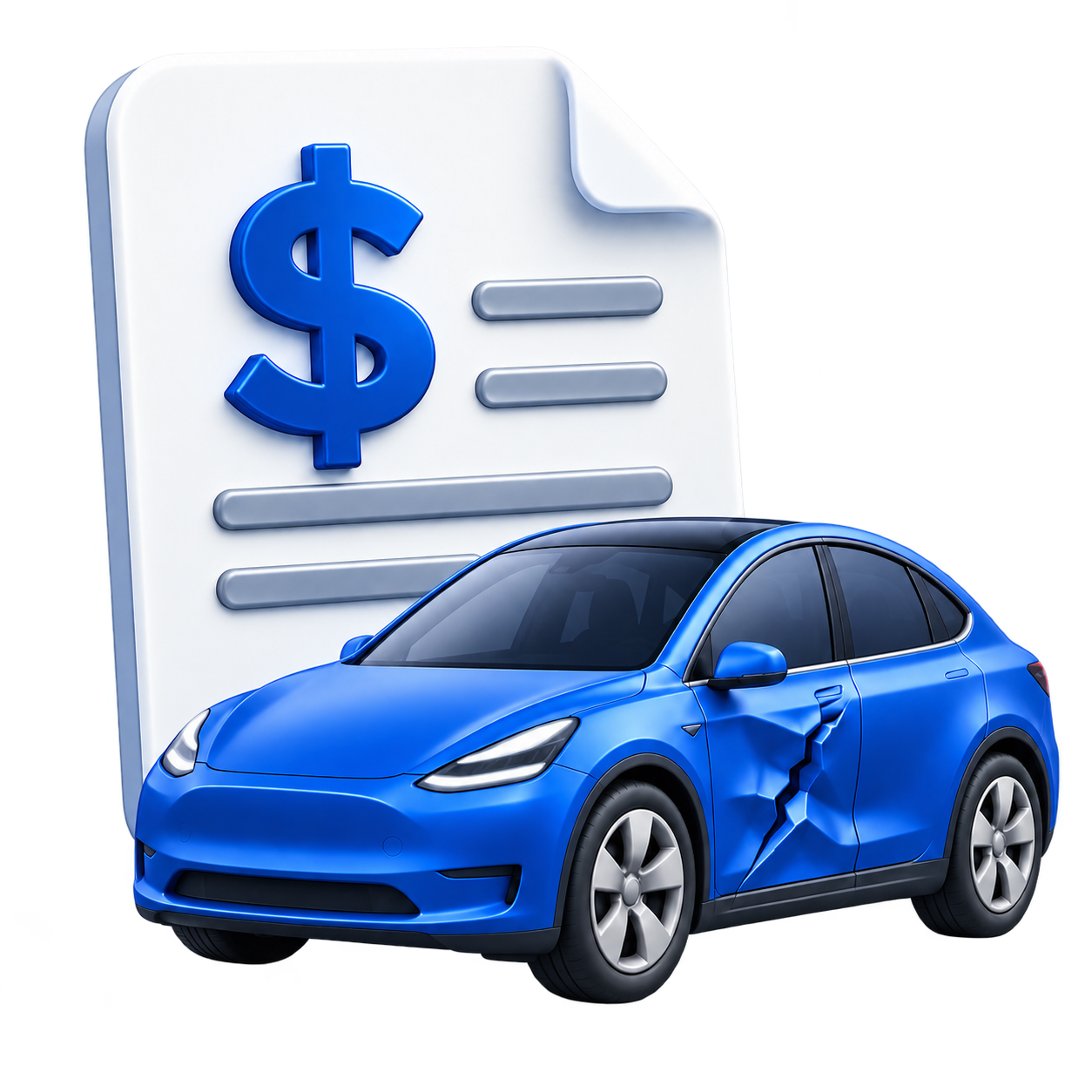
If your EV is declared a total loss, your insurer will typically pay the actual cash value of the vehicle at the time of the loss, minus your deductible. For newer or low-volume models, finding comparable sales data can sometimes be challenging. GAP coverage, subject to your GAP policy's own terms and exclusions, may help cover the difference between the ACV payout and your remaining loan or lease balance.