




















EV Insurance Guide
Subaru Trailseeker
375-horsepower all-wheel-drive electric SUV with adventure-ready capability, advanced safety technology, and important insurance considerations.
Overview
The 2026 Subaru Trailseeker is an all-electric midsize SUV designed for drivers seeking everyday practicality, strong electric performance, and capability for outdoor activities. It expands Subaru's U.S. electric vehicle lineup alongside the Solterra, combining standard dual-motor all-wheel drive with additional passenger and cargo versatility.
The 2026 Trailseeker uses a 74.7 kWh lithium-ion battery and a dual-motor electric powertrain producing 375 horsepower. Subaru equips the vehicle with standard Symmetrical All-Wheel Drive, 8.5 inches of ground clearance, and dual-function X-MODE with Grip Control to help manage traction on challenging surfaces.
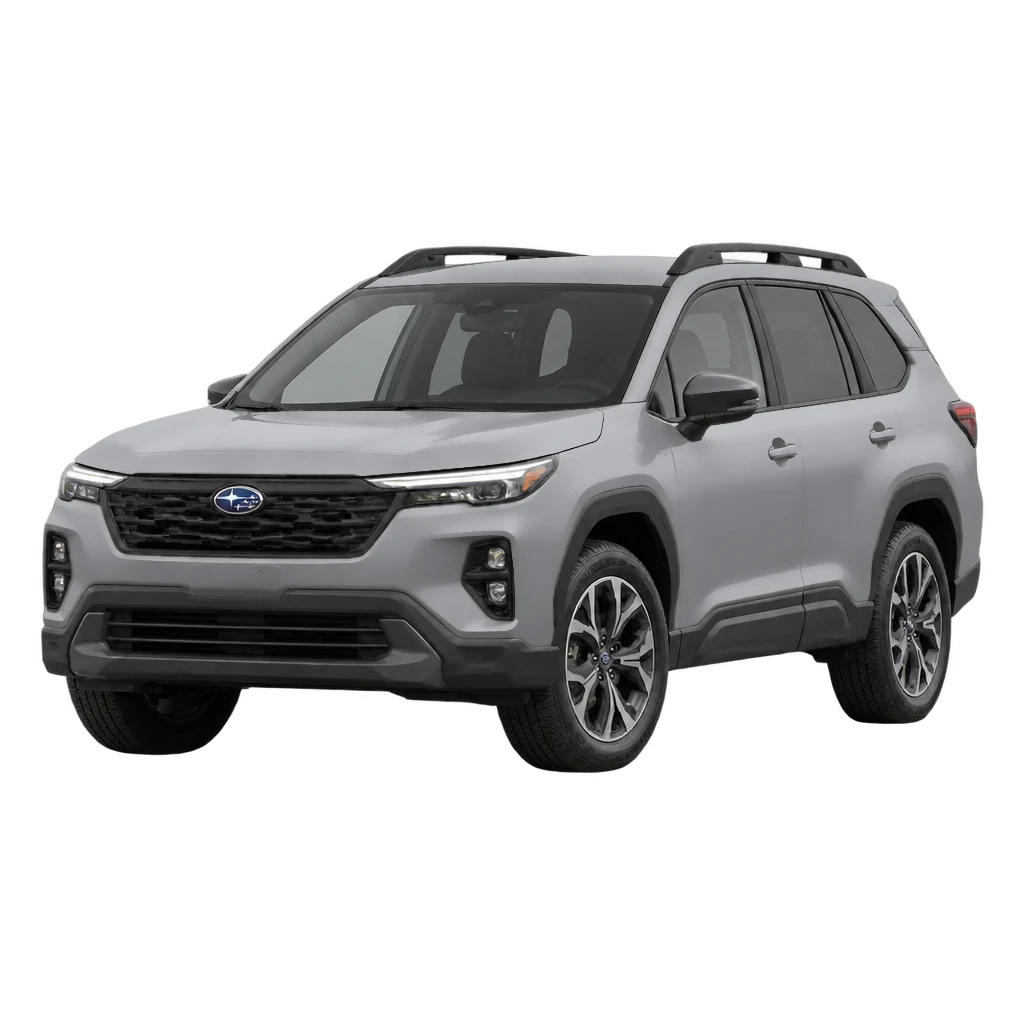
The Trailseeker is available in four U.S. trims: Premium, Limited, Touring, and Touring Leather. All four trims use the 375-horsepower dual-motor powertrain. The Premium has an EPA-rated driving range of 281 miles, while the Limited, Touring, and Touring Leather are rated at 274 miles. These figures are estimates under standardized testing; actual range varies with driving speed, weather, terrain, cargo, towing, and other conditions.
Charging equipment includes a North American Charging Standard (NACS) port, an 11 kW onboard AC charger, and DC fast-charging capability. Under suitable charging conditions, Subaru estimates charging from approximately 10% to 80% in about 28 minutes. Battery preconditioning helps manage charging performance in cold weather. Compatible Tesla Superchargers and other supported charging networks can expand charging options.
Subaru lists towing capability of up to 3,500 pounds when the vehicle is properly equipped and operated within its published limits. Owners planning to tow trailers, transport recreational equipment, or regularly drive on unpaved roads should understand that permitted vehicle use, trailer liability, attached accessories, and physical damage coverage may be subject to specific insurance policy terms.
The Trailseeker includes Subaru EyeSight driver-assistance technologies, with additional convenience and safety equipment varying by trim. Cameras, sensors, electronic control modules, and related calibration requirements may affect the complexity of certain repairs.
Insurance considerations for the Trailseeker include its vehicle value, high-voltage battery, dual electric drive units, all-wheel-drive equipment, driver-assistance systems, towing activities, glass and sensor replacement, and access to qualified EV repair facilities.
Because the Trailseeker is a new model for 2026, drivers should avoid assuming that insurance prices or repair experience will be identical to those of the smaller Subaru Solterra or other electric SUVs. Personalized quotes based on the exact vehicle and driver provide a more meaningful comparison.
How Much Does Subaru Trailseeker Insurance Cost?
The cost of insuring a Subaru Trailseeker depends on the driver's location, age, driving history, annual mileage, selected coverage, deductibles, and the insurer's underwriting criteria. The Trailseeker's purchase price and replacement value may affect collision and comprehensive premiums. Trim-specific equipment, including larger wheels, panoramic glass, premium electronics, and driver-assistance components, can also influence the cost of repairing or replacing the vehicle after a covered loss. The high-voltage battery, dual-motor all-wheel-drive system, and specialized repair procedures may affect claim severity in certain accidents. However, these features do not establish a universal Trailseeker insurance premium, and a vehicle with expensive components is not automatically expensive to insure for every driver. Insurance companies may also evaluate vehicle safety equipment, local claim patterns, repair data, theft exposure, and other legally permitted rating factors. As the 2026 Trailseeker is relatively new, published model-specific insurance averages may be based on limited information or assumptions. SureEV does not present an invented national average or guarantee a particular premium. To estimate actual Subaru Trailseeker insurance costs, request personalized quotes from multiple insurers using the exact model year, trim, VIN, garaging ZIP code, driver details, and equivalent coverage limits and deductibles.
What affects insurance cost
Several factors specific to the Subaru Trailseeker are worth understanding when shopping for insurance.
Model Year, Trim, and Vehicle Value
The Subaru Trailseeker enters the U.S. market for the 2026 model year with Premium, Limited, Touring, and Touring Leather trims. All use a 375-horsepower dual-motor all-wheel-drive system, but available equipment and vehicle values differ. The Premium has an EPA-rated range of 281 miles, while the other three trims are rated at 274 miles. Higher-value trims and additional equipment may influence collision and comprehensive insurance costs. Quotes should identify the exact trim and VIN rather than treating every Trailseeker as identical.
High-Voltage Battery and Charging Equipment
The Trailseeker uses a 74.7 kWh lithium-ion battery, a native NACS charging connection, an 11 kW onboard AC charger, and DC fast-charging equipment. Damage to the battery enclosure, charging components, power electronics, or associated wiring may require specialized inspection and repair. A covered collision or comprehensive event may involve battery-related damage, but coverage depends on the cause of loss and policy terms. Battery damage does not automatically require full battery replacement or make the vehicle a total loss.
Dual-Motor AWD, Performance, and Traction Systems
The Trailseeker's standard dual-motor system produces 375 horsepower and works with Symmetrical All-Wheel Drive and X-MODE traction management. These systems provide capability in a variety of driving conditions but do not prevent accidents. Collision repairs may involve front or rear electric drive units, drivetrain electronics, suspension components, and related systems. Repair requirements depend on the specific damage. Insurers evaluate performance, vehicle characteristics, driver history, and other factors according to their underwriting practices.
EyeSight, Cameras, Sensors, and Glass
Subaru EyeSight and other available driver-assistance systems use cameras, sensors, and electronic control components. Windshield replacement, front-end collision repair, bumper repair, or other work affecting sensor alignment may require inspection, calibration, or programming. Higher trims may include additional glass and electronic equipment. These features can influence repair complexity and claims costs. Owners should ask whether manufacturer-required calibration and appropriate replacement parts are covered after an eligible insured event.
Towing, Outdoor Activities, and Repair Access
Subaru lists towing capacity of up to 3,500 pounds when properly equipped. Trailer use, recreational equipment, cargo accessories, and driving on unpaved roads can create insurance questions that ordinary commuting may not. Coverage for a trailer, its contents, or damage arising from certain activities may differ from coverage for the insured vehicle. The Trailseeker's EV systems may also require appropriately trained technicians and specialized repair equipment. Owners should review towing and usage provisions and confirm access to qualified EV repair facilities.
Driver Profile, Location, Mileage, and Coverage
A driver's location, driving history, age, annual mileage, coverage limits, deductibles, and insurer selection can substantially affect the cost of Trailseeker insurance. Local accident patterns, weather exposure, theft risk, and other legally permitted rating factors may also influence premiums. Two owners with identical Trailseekers can receive different insurance quotes. Comparing multiple insurers with matching coverage terms is more useful than relying on a single advertised average.
Battery and insurance
The 2026 Subaru Trailseeker uses a manufacturer-listed 74.7 kWh lithium-ion high-voltage battery. It powers the vehicle's dual electric motors and is integrated with battery management, cooling, charging, and high-voltage safety systems. Subaru lists an EPA-rated range of 281 miles for the Premium trim and 274 miles for the Limited, Touring, and Touring Leather trims. Range depends on operating conditions, including temperature, terrain, speed, tire selection, passenger and cargo loads, and towing. The Trailseeker includes a native NACS charging port and an 11 kW onboard AC charger. Subaru advertises approximately 28-minute charging from 10% to 80% under suitable DC fast-charging conditions. Actual charging time varies by charger capability, battery temperature, state of charge, and other factors. Battery preconditioning is designed to help charging performance in cold conditions. The vehicle can use compatible Tesla Superchargers and other supported charging networks. Charging access, adapters, and payment arrangements depend on the network and charging equipment. The manufacturer's high-voltage battery warranty is separate from automobile insurance. Owners should review Subaru's applicable 2026 EV warranty documentation for the precise duration, mileage, capacity-retention provisions, exclusions, and eligibility requirements. Ordinary battery aging and gradual capacity reduction generally are not covered by collision or comprehensive automobile insurance. Eligible physical damage from a collision, fire, flood, or other covered event may be covered according to the policy's terms, exclusions, and deductible. Following a significant collision, underbody strike, water intrusion, or suspected high-voltage damage, the battery may require inspection by qualified EV personnel. Damage is not always visible externally. Proper electrical isolation and manufacturer repair procedures are important for safety. Not every battery-related claim requires battery replacement. The repair decision depends on the extent of damage, manufacturer procedures, component availability, and safety requirements. Drivers should ask insurers about battery inspections, approved repair facilities, towing after electrical damage, and the documentation required for EV-related claims.
Repair considerations
The Subaru Trailseeker combines a high-voltage electric powertrain, dual-motor all-wheel drive, advanced driver-assistance technology, and an SUV body designed for varied driving conditions. Certain repairs may therefore require technicians, diagnostic equipment, and procedures specific to electric vehicles. High-voltage battery and electrical repairs Following significant underbody damage or a collision near the battery enclosure, a qualified repair facility may need to inspect the battery housing, high-voltage cables, connectors, cooling components, and electrical isolation systems. Inspection does not automatically mean the battery must be replaced. The correct repair depends on the damage and Subaru's applicable procedures. Electric motors and AWD components The Trailseeker has electric drive components at both axles. Collision damage involving the front or rear drivetrain may require specialized diagnosis of motors, power electronics, mounting components, and related systems. Its all-wheel-drive and traction-control features do not eliminate the possibility of collision damage on snow, gravel, mud, or other surfaces. Body structure, suspension, and ground clearance The Trailseeker has 8.5 inches of ground clearance and is designed to handle a variety of driving conditions. However, impacts with rocks, road debris, curbs, or uneven terrain can still damage suspension, underbody panels, structural components, or high-voltage equipment. Repair procedures depend on the affected components and the extent of damage. EyeSight and sensor calibration Windshield replacement, front-end repairs, bumper work, or repairs near driver-assistance equipment may require camera or sensor inspection, calibration, or programming. The exact procedures depend on the equipment installed and the repairs performed. Glass and trim-specific equipment Higher Trailseeker trims offer additional equipment, including panoramic glass on certain configurations. Repair or replacement of glass, cameras, electronics, or interior equipment can differ by trim. Owners should verify their vehicle's equipment and ask how the insurer handles original-equipment parts and manufacturer-required procedures. Parts availability and repair time As a new 2026 model, the Trailseeker has limited long-term U.S. claims and repair history. Replacement-part availability, trained technician access, and repair timelines may vary by location and type of damage. Rental reimbursement, transportation expenses, and towing benefits are not automatically included in every policy. Owners should review these protections before a claim occurs.
Cameras, sensors, glass and technology
The 2026 Subaru Trailseeker includes Subaru EyeSight Driver Assist Technologies and other safety and convenience systems. Equipment varies by trim, so owners should confirm the exact features installed on their vehicle. EyeSight and driver-assistance systems EyeSight supports functions such as forward collision assistance and other driver-assistance capabilities. Certain configurations include additional features, including Traffic Jam Assist, subject to the system's operating requirements. These systems assist the driver but do not replace attentive driving or make the Trailseeker fully autonomous. Cameras, radar, and electronic components Driver-assistance features may rely on cameras, radar sensors, electronic control modules, and related hardware. The exact components and their locations depend on the system and vehicle configuration. Damage to a windshield, bumper, body panel, or mounting component can affect sensor alignment or operation even when the electronic equipment itself is not visibly broken. Windshield and glass replacement Windshield replacement may require camera inspection or calibration according to Subaru's repair procedures. A glass claim can therefore involve more than the cost of replacement glass. Certain trims also include panoramic glass, creating additional replacement considerations if damaged. Calibration and repair procedures After certain collisions or repairs, cameras and sensors may require diagnostic scans, calibration, programming, or other manufacturer-specified procedures. Owners should confirm that their insurer and repair facility account for these requirements when preparing a repair estimate. Insurance implications Driver-assistance technology may help prevent or reduce certain accidents, but its effect on premiums varies by insurer. Discounts for specific safety features are not guaranteed. At the same time, replacement sensors, glass, cameras, and calibration work may affect claim costs. When comparing policies, ask whether necessary post-repair calibration, qualified labor, and appropriate replacement parts are included for eligible covered losses.
Coverage considerations
Subaru Trailseeker owners should evaluate insurance coverage based on the vehicle's value, financing arrangements, driving habits, and personal financial circumstances. Liability coverage Liability insurance generally pays for covered bodily injury or property damage caused to others in an at-fault accident, up to applicable policy limits. State minimum requirements vary and may be insufficient for a serious accident. Collision coverage Collision coverage generally helps pay for covered damage to the Trailseeker resulting from a collision with another vehicle or object, subject to deductibles, exclusions, and policy conditions. This may include eligible damage involving body panels, suspension, electric drive components, or the high-voltage battery. Comprehensive coverage Comprehensive coverage generally applies to eligible non-collision losses such as theft, vandalism, fire, hail, falling objects, and certain flood events, subject to policy provisions and deductibles. High-voltage electrical damage caused by an eligible covered event may require specialist inspection. Uninsured and underinsured motorist coverage These protections may help when an at-fault driver has no insurance or insufficient insurance, depending on state law and policy terms. Medical payments and personal injury protection Medical payments coverage or personal injury protection may help pay certain injury-related expenses following an accident, depending on the policy and state. Towing and trailer considerations The Trailseeker is rated to tow up to 3,500 pounds when properly equipped, but towing capacity is not the same as insurance coverage. Liability coverage while towing, physical damage coverage for a trailer, and protection for equipment or contents can be subject to separate rules or endorsements. Owners should confirm coverage for the specific trailer and how they intend to use it. Outdoor and off-pavement activities The Trailseeker's ground clearance, AWD, and X-MODE features support driving in varied conditions. However, vehicle capability does not guarantee that every off-road activity or location is covered. Policy restrictions, exclusions, and permitted uses should be reviewed with the insurer, especially for organized events, commercial activities, or specialized recreational use. Financing, leasing, and GAP Lenders and leasing companies generally require collision and comprehensive coverage. GAP protection may be worth considering when a qualifying loan or lease balance could exceed the vehicle's actual cash value after a covered total loss. GAP terms, exclusions, and deductible treatment vary by product.
Deductibles
A deductible is the amount the policyholder must pay toward an eligible covered claim before the insurer pays the remaining covered amount, subject to policy terms. Choosing a higher collision or comprehensive deductible generally reduces the premium but increases the owner's out-of-pocket responsibility after a claim. Choosing a lower deductible generally increases the premium while reducing the amount due for an eligible claim. For the Subaru Trailseeker, owners should consider the vehicle's value, available savings, financing requirements, and their ability to pay for an unexpected repair. A claim involving glass, electronic sensors, bodywork, or high-voltage equipment may include several related repair operations. Owners should understand which deductible applies and whether special glass provisions exist. Collision and comprehensive coverage may have separate deductible amounts. State-specific provisions and optional endorsements may also affect how deductibles are applied. There is no universally correct deductible for a Trailseeker. Compare premiums at several deductible levels and choose an amount that fits your financial circumstances.
Accidents and total loss
A Subaru Trailseeker may be declared a total loss when applicable state law, insurance policy provisions, and the insurer's valuation methodology indicate that repair is not economically or legally appropriate. The determination may consider the vehicle's pre-loss actual cash value, estimated repair costs, salvage value, and other relevant factors. The Trailseeker's high-voltage battery, dual electric drive units, advanced electronics, and structural components can affect repair estimates after significant damage. A damaged battery does not automatically mean the entire vehicle is totaled. A qualified inspection is necessary to determine whether the battery or related components can be repaired or must be replaced under applicable safety procedures. Actual cash value generally reflects the vehicle's value immediately before a covered loss, subject to applicable policy and state rules. For a new model such as the 2026 Trailseeker, valuation may require careful attention to the exact trim, factory equipment, mileage, condition, and available comparable vehicles. Owners should review valuation reports for errors involving trim identification or missing factory equipment. If a Trailseeker is financed or leased, the outstanding balance may exceed the total-loss settlement. GAP coverage may help with an eligible difference, subject to its own conditions and exclusions. Owners who disagree with a total-loss valuation can request an explanation of the insurer's methodology and review any dispute or appraisal options available under the policy and applicable law.
Questions to ask an insurer
Does the policy cover eligible physical damage to the Trailseeker's high-voltage battery and charging equipment, including necessary inspections after a collision or underbody impact?
Does your repair network include qualified facilities equipped to repair Subaru EV systems, dual electric drive units, and high-voltage components?
Are manufacturer-required EyeSight camera calibration, sensor programming, and related procedures covered after eligible windshield or collision repairs?
How does your company determine actual cash value for a 2026 Subaru Trailseeker, including its specific trim and factory-installed equipment?
What liability and physical damage coverage applies while towing a trailer, and do I need separate trailer coverage or endorsements?
Are there exclusions or special conditions affecting driving on unpaved roads, recreational use, or carrying outdoor equipment?
What rental reimbursement, towing, roadside assistance, and transportation benefits are available if specialized EV repairs take additional time?
Ways to shop smarter
Compare personalized insurance quotes using the exact 2026 Subaru Trailseeker trim, VIN, garaging location, driver information, and annual mileage. Do not assume the Premium, Limited, Touring, and Touring Leather trims will receive identical quotes.
Compare equivalent liability limits, collision and comprehensive deductibles, uninsured motorist protection, and optional benefits across insurers. A lower quote may provide less coverage.
Ask how the insurer handles high-voltage battery inspections, electrical diagnostics, manufacturer repair procedures, and access to qualified EV repair facilities after a covered accident.
Confirm coverage for EyeSight calibration, windshield-mounted equipment, bumper sensors, panoramic glass where equipped, and other trim-specific electronics.
If you plan to tow, ask about trailer liability, trailer physical damage coverage, cargo, accessories, and any additional endorsements needed for your intended use.
Review policy language concerning unpaved roads, recreational driving, business use, and other activities that may differ from ordinary commuting. Do not assume all off-pavement situations are treated the same.
If financing or leasing, verify the lender's coverage requirements and consider whether GAP protection is appropriate. Review deductible options against your emergency savings.
Recompare insurance rates at renewal or after changes in mileage, location, drivers, vehicle use, or coverage needs. Ask about applicable discounts without assuming that AWD or EyeSight guarantees a lower premium.
Frequently asked questions
How much does Subaru Trailseeker insurance cost?
Subaru Trailseeker insurance premiums depend on the driver's location, driving history, age, annual mileage, vehicle trim, selected coverage, deductibles, and insurer. Because the Trailseeker is a new model for 2026, model-specific averages may be limited or unreliable. Compare personalized quotes using the exact vehicle and equivalent coverage selections.
Is the Subaru Trailseeker expensive to insure?
The cost depends on the individual driver and insurer. The Trailseeker's vehicle value, high-voltage battery, dual-motor AWD system, safety electronics, and repair requirements may influence claims costs, but none determines premiums alone. Obtain quotes from several companies to evaluate affordability for your circumstances.
What is the 2026 Subaru Trailseeker battery capacity and range?
The 2026 Trailseeker has a manufacturer-listed 74.7 kWh lithium-ion battery. The Premium trim has an EPA-rated range of 281 miles, while Limited, Touring, and Touring Leather trims are rated at 274 miles. Actual driving range varies with weather, driving conditions, speed, cargo, towing, and other factors.
Does insurance cover Subaru Trailseeker battery damage?
Physical damage to the high-voltage battery from an eligible covered collision or comprehensive event may be covered, subject to policy terms, exclusions, and deductibles. Normal battery degradation generally is not covered by automobile insurance. Manufacturing defects and qualifying battery warranty matters are handled separately under applicable Subaru warranty terms.
Can the Subaru Trailseeker use Tesla Superchargers?
The 2026 Subaru Trailseeker has a native NACS charging connection and can use compatible Tesla Superchargers. Access depends on the charging location, vehicle compatibility, network requirements, and equipment. Subaru also supplies charging options for compatible non-NACS equipment. Owners should follow Subaru's charging guidance.
How much can the Subaru Trailseeker tow, and is towing insured?
Subaru lists towing capability of up to 3,500 pounds when properly equipped. Towing capacity does not determine insurance coverage. Liability while towing, damage to the trailer, and protection for its contents may be subject to separate policy provisions or endorsements. Confirm coverage with the insurer before towing.
Does Subaru EyeSight affect Trailseeker insurance costs?
EyeSight and other driver-assistance features may affect how an insurer evaluates vehicle safety or repair costs. Discounts are not guaranteed. Windshield replacement or certain collision repairs may require camera or sensor calibration, which can add to the repair estimate.
Does Subaru Trailseeker insurance cover off-road driving?
Coverage depends on the policy, the circumstances, and how the vehicle is used. Driving on an ordinary unpaved public road may be treated differently from organized competition, commercial activities, or specialized off-road recreation. The Trailseeker's AWD, ground clearance, and X-MODE features do not guarantee coverage for every activity. Ask the insurer about relevant exclusions before relying on coverage.
What happens if a Subaru Trailseeker is declared a total loss?
A total-loss decision depends on the vehicle's actual cash value, repair costs, salvage considerations, policy provisions, and applicable state law. Battery or structural damage may increase repair costs, but does not automatically make the vehicle a total loss. Settlement calculations should account for the correct trim, equipment, condition, and mileage. GAP coverage may help with an eligible remaining loan or lease balance, subject to its terms.
Related EV insurance topics
Ready to compare?
Compare EV insurance options and find coverage that fits your needs.