












EV Insurance Guide
Rivian R2
Insurance considerations for the Rivian R2 electric SUV, including battery protection, rear-wheel-drive and all-wheel-drive configurations, new-model repair costs, advanced driver-assistance technology, glass, towing, and coverage options.
Overview
The Rivian R2 is an all-electric, midsize SUV designed to combine everyday practicality, modern technology, electric performance, and outdoor-oriented capability.
Rivian introduced the R2 as a more compact and accessible alternative to its larger R1S electric SUV. The R2 has a five-passenger cabin, enclosed cargo area, rear liftgate, and a design intended for both daily transportation and recreational travel.
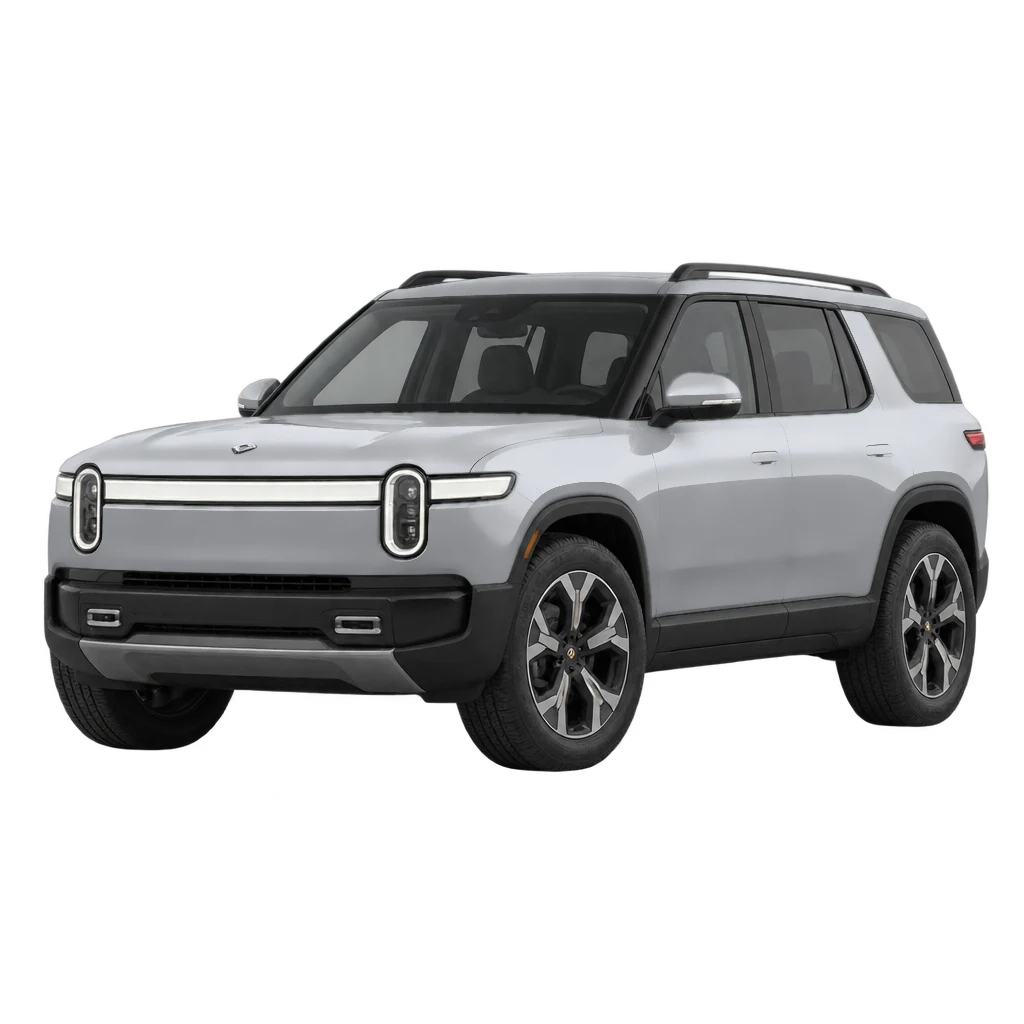
The first R2 customer deliveries began in the United States in June 2026, starting with the dual-motor, all-wheel-drive R2 Performance with Launch Package.
Rivian announced the R2 Premium for late 2026 and the R2 Standard for 2027. The planned Standard lineup includes rear-wheel-drive configurations and available all-wheel drive, depending on version.
Because the R2 is being introduced in stages, buyers should distinguish vehicles already delivered from configurations that have been announced but are not yet widely available.
The R2 uses a dedicated electric vehicle platform and a high-voltage battery system. Its technology includes a native North American Charging Standard (NACS) charging port, sophisticated vehicle electronics, available advanced driver-assistance features, and modern digital displays.
Depending on configuration, equipment may include specialized wheels and tires, semi-active suspension, advanced lighting, exterior cameras, radar sensors, a powered rear window, and towing-related equipment.
The R2 is distinct from both the three-row R1S and the R1T electric pickup. Its smaller SUV body, seating arrangement, suspension, drivetrain options, and repair components should not be assumed to match either R1 vehicle.
For insurance purposes, the R2 presents several considerations: its new-model repair history, high-voltage battery, specialized electric components, Rivian-specific body parts, cameras, sensors, glass, and developing replacement-parts supply.
Owners should verify the exact model year, trim, drivetrain, factory-installed options, and intended use when requesting insurance quotes.
How Much Does Rivian R2 Insurance Cost?
Rivian R2 insurance premiums depend on the driver's location, age, driving history, annual mileage, vehicle value, selected coverage, deductibles, and the insurer's underwriting criteria. The exact R2 configuration also matters. The initial Performance version combines dual-motor all-wheel drive with higher-output performance equipment. The Premium and Standard versions have different announced equipment, drivetrains, and price positioning. Insurance premiums may vary across these configurations because vehicle value, repair requirements, performance characteristics, and factory-installed equipment can differ. As a newly introduced vehicle, the R2 has a limited long-term insurance claims history compared with models that have been on U.S. roads for many years. Insurers may use their own underwriting experience, vehicle characteristics, repair estimates, and other permitted rating factors when determining premiums. The R2's high-voltage battery, electric drive units, electronic systems, windshield technology, cameras, sensors, and specialized body components can influence repair estimates following a covered loss. The vehicle's rear liftgate, rear window, roof glass, suspension components, and available towing equipment also deserve attention. There is no dependable universal Rivian R2 insurance premium. Published averages may not reflect the actual trim, vehicle value, driver profile, location, or coverage selected. The most reliable approach is to obtain personalized quotes from multiple insurers using the exact R2 configuration.
What affects insurance cost
Several factors specific to the Rivian R2 are worth understanding when shopping for insurance.
Model Year, Trim, Drivetrain, and Vehicle Value
The R2 lineup is being introduced across different dates and configurations. The initial R2 Performance uses dual-motor all-wheel drive and includes performance-oriented equipment. Rivian has also announced the Premium and Standard trims, with different drivetrain choices, features, and expected availability. Standard versions are planned to include single-motor rear-wheel drive, with additional drivetrain options depending on configuration. Vehicle value can vary with trim, drivetrain, factory-installed equipment, wheels, tires, technology packages, and market conditions. Because the R2 is relatively new, market prices and depreciation patterns may change as production and deliveries expand. Actual cash value generally reflects the vehicle's age, mileage, condition, configuration, factory options, and comparable market prices. Insurance quotes should correctly identify the R2 rather than confusing it with the larger R1S.
High-Voltage Battery and Underbody Components
The Rivian R2 uses a high-voltage battery pack integrated into its dedicated electric vehicle platform. Battery capacity, range, chemistry, and other specifications may differ between configurations or change as additional versions reach production. The battery enclosure, underbody protection, cooling components, high-voltage wiring, and nearby structural elements may require inspection following a significant collision or underbody impact. Outdoor and recreational driving can expose the underside of a vehicle to rocks, road debris, uneven surfaces, and other hazards. Damage involving the battery or high-voltage components may require specialized diagnostic equipment and Rivian-approved safety procedures. A damaged battery does not automatically require replacement or mean that the vehicle is a total loss. The extent of damage, manufacturer repair procedures, and safety assessment determine the appropriate response. Owners should review the policy's treatment of covered collision, comprehensive, and underbody damage.
Rear-Wheel Drive, All-Wheel Drive, and Performance Equipment
The Rivian R2 lineup includes different announced drivetrain configurations. The initial Performance version uses dual-motor all-wheel drive. Rivian has announced additional versions, including rear-wheel-drive Standard configurations and other available all-wheel-drive options. These systems can differ in electric motors, drive units, power electronics, cooling requirements, and performance characteristics. Higher-performance configurations may include different wheels, tires, suspension equipment, and other components. Repair complexity can vary depending on which components are damaged in an eligible collision. Horsepower or acceleration alone does not determine insurance cost. Vehicle value, repair characteristics, driver history, location, and insurer underwriting also matter. Owners should verify that their quote identifies the exact R2 trim and drivetrain.
Suspension, Wheels, Tires, and Outdoor-Oriented Equipment
The Rivian R2 is designed for daily road use and outdoor-oriented driving. Equipment differs by trim. The Performance version includes a semi-active suspension system, while wheel and tire options vary across the lineup. Depending on configuration, available equipment may include all-terrain tires, specialized wheels, tow hooks, and other adventure-oriented components. These components can affect repair estimates when damaged in a covered accident. The R2 should not be assumed to use the same adjustable air suspension system as the larger Rivian R1S. Owners should verify the actual suspension and wheel equipment installed on their vehicle. Insurance policies may treat recreational off-road driving differently from racing, organized competition, or commercial activities. Owners should review applicable exclusions and confirm coverage for their intended use.
Midsize SUV Body, Rear Liftgate, Roof, and Glass
The Rivian R2 has an enclosed midsize SUV body with a five-passenger cabin and rear cargo area. Rear-end collisions may involve the liftgate, rear glass, lighting, wiring, seals, trim, and surrounding body structure. The R2 includes a distinctive opening rear-window design, which may introduce specialized glass, sealing, or electronic repair requirements. Windshield, roof, and side-glass repairs may also require vehicle-specific parts and procedures. Depending on equipment, repairs involving glass or nearby cameras and sensors may require additional diagnostics or calibration. The R2's passenger cabin contains safety systems such as airbags, seat belts, and associated electronics. Owners should review comprehensive and collision coverage, glass deductibles, and the policy's treatment of manufacturer-required diagnostics.
New-Model Collision Repair, Cameras, and Electronics
The R2 uses modern vehicle electronics, cameras, sensors, lighting, digital displays, and available driver-assistance systems. As a newer Rivian platform, it may require vehicle-specific repair procedures, replacement parts, and diagnostic tools. Damage involving the windshield, bumpers, cameras, radar sensors, lighting, or electronic modules may require specialized inspection and calibration. Rivian-certified collision facilities may be needed for certain structural repairs, high-voltage work, electronic diagnostics, and manufacturer-approved procedures. Repair costs and timelines will become better understood as more R2 vehicles enter service. Owners should ask insurers about access to qualified repair facilities, original-equipment parts, calibration coverage, and rental reimbursement.
Battery and insurance
The Rivian R2 uses a high-voltage battery system designed for electric driving, everyday transportation, and longer-distance travel. Rivian has announced different R2 configurations with varying estimated driving ranges, equipment, and performance. Battery specifications should be verified for the exact production model rather than assuming every R2 uses an identical pack. The R2 uses a native NACS charging port, providing access to compatible NACS charging equipment, including supported Tesla Superchargers. Using certain CCS1 DC fast chargers may require an appropriate approved adapter. Rivian has described fast-charging capabilities for the R2, but actual charging performance depends on battery temperature, state of charge, charger output, and other conditions. Charging compatibility and adapter requirements should be verified using Rivian's current guidance. Rivian provides high-voltage battery and drivetrain warranty protection under applicable U.S. warranty terms. The warranty documentation governs duration, mileage limits, battery-capacity provisions, exclusions, and other conditions. A qualifying manufacturing defect may fall under the manufacturer warranty. Physical battery damage caused by an eligible collision, fire, flood, or other insured event may fall under automobile insurance, depending on policy terms and circumstances. Normal battery degradation generally is not an automobile insurance claim. Following significant collision or underbody damage, qualified technicians may need to inspect the battery enclosure, cooling system, electrical connections, and surrounding structure.
Repair considerations
The Rivian R2 may require specialized collision repair procedures because of its high-voltage battery, electric drivetrain, advanced electronics, body construction, and vehicle-specific technology. Repairs may involve high-voltage safety procedures, battery enclosure inspection, electric drive-unit diagnostics, cooling systems, structural repairs, and electronic calibration. The R2's midsize SUV body introduces considerations involving the rear liftgate, opening rear window, cargo-area components, roof glass, passenger safety systems, and surrounding structure. Depending on trim, specialized wheels, tires, suspension equipment, lighting, cameras, and sensors may require additional repair procedures. As R2 production expands, replacement-parts availability and the number of repair facilities experienced with the model may evolve. Owners should ask whether their insurer's repair network includes facilities equipped for Rivian high-voltage and structural repairs. Rental reimbursement may help with eligible transportation expenses during covered repairs, subject to policy limits. Owners should also verify whether their policy covers towing or transportation to an appropriate repair facility if qualified service is not available nearby.
Cameras, sensors, glass and technology
The Rivian R2 includes modern digital displays, sophisticated vehicle electronics, exterior cameras, sensors, and available advanced driver-assistance technology. Depending on trim and equipment, these systems may support parking assistance, highway driving assistance, collision warnings, and other driver-support features. Rivian's Autonomy+ offering includes advanced driver-assistance capabilities, with feature availability and operation subject to vehicle hardware, software, road conditions, and other limitations. It does not make the vehicle fully autonomous. The R2's windshield, bumpers, camera mounting areas, lighting, rear window, and other glass components may require specialized repairs after damage. Windshield replacement or collision repairs can require camera and sensor diagnostics or calibration when affected components are associated with driver-assistance systems. The opening rear window and associated seals, mechanisms, and electrical components may introduce repair considerations different from those of conventional fixed rear glass. Owners should ask whether necessary diagnostics, calibration, glass replacement, and electronic repairs are covered following an eligible insured event. Factory-installed technology should be correctly represented in the insurance quote.
Coverage considerations
Collision coverage generally helps pay for covered damage caused by a collision with another vehicle or object, subject to policy terms and deductibles. Comprehensive coverage generally addresses covered non-collision losses such as theft, vandalism, fire, falling objects, and certain weather-related events. Physical damage to the R2's high-voltage battery, electric drivetrain, suspension, factory-installed electronics, rear liftgate, glass, and other components may fall under collision or comprehensive coverage when caused by an eligible insured event. Liability coverage addresses covered injuries or property damage for which the insured driver is legally responsible, subject to policy limits. Uninsured or underinsured motorist coverage may provide protection for certain covered injuries, depending on state law and policy selections. Owners should also consider applicable personal injury protection or medical payments coverage, depending on their state and policy. Recreational off-road driving deserves separate attention. Coverage may depend on the type of activity, cause of damage, and policy exclusions. Towing and trailer coverage should be reviewed if the R2 is equipped and approved for towing. Trailer liability and physical damage coverage may be treated differently. Coverage for charging cables, portable charging equipment, home charging stations, aftermarket accessories, and personal belongings varies by policy. Rental reimbursement and roadside assistance may be useful if specialized repairs require additional time or transportation to a qualified repair facility.
Deductibles
A deductible is the amount the policyholder pays toward an eligible covered claim before the insurer pays the remaining covered amount. Choosing a higher deductible may reduce the premium but increases potential out-of-pocket expenses after a claim. The R2's high-voltage battery, specialized electronics, glass, suspension, and body components can make certain repairs expensive. Because the R2 is a newer vehicle, repair costs and replacement-parts availability may evolve as more vehicles enter service. Owners should evaluate deductible choices against the vehicle's market value, their financial circumstances, and their ability to pay an unexpected repair expense. Ask whether separate glass deductibles or other special provisions apply to windshield, roof-glass, or rear-window claims.
Accidents and total loss
A Rivian R2 may be declared a total loss when the insurer determines that applicable policy provisions and state requirements have been met. Repair costs, actual cash value, salvage value, and state-specific rules can influence the determination. Damage involving the high-voltage battery, vehicle structure, electric drivetrain, suspension, passenger safety systems, advanced electronics, or rear-body components may increase repair costs. Battery damage does not automatically require a total-loss determination. The extent of damage, manufacturer repair procedures, safety considerations, and economic feasibility of repair all matter. Because the R2 is relatively new, comparable used-vehicle market data may be limited initially. Market information should develop as more vehicles are delivered and resold. Actual cash value generally reflects the vehicle's model year, mileage, condition, trim, drivetrain, factory options, and comparable market prices. For financed or leased vehicles, GAP coverage may help address an eligible difference between the insurance settlement and outstanding loan or lease balance, subject to contract terms and exclusions.
Questions to ask an insurer
Does your repair network include Rivian-certified collision facilities equipped to service the R2's high-voltage battery, electric drivetrain, and specialized body components?
Does my policy cover high-voltage battery or underbody damage caused by an eligible collision or comprehensive event, including qualifying recreational off-road incidents?
Are repairs to the R2's opening rear window, rear liftgate, roof glass, and factory-installed electronic equipment covered following an eligible insured event?
Does my quote correctly identify the R2 model year, Performance, Premium, or Standard trim, drivetrain, and factory-installed options?
Are manufacturer-required camera, radar, lighting, and advanced driver-assistance system diagnostics and calibrations covered following an eligible repair?
How does my policy address recreational off-road driving, optional towing equipment, trailer liability, and any business or commercial use?
What rental reimbursement, roadside assistance, repair-facility, and total-loss settlement provisions apply if specialized Rivian repairs are delayed or the vehicle is declared a total loss?
Ways to shop smarter
Compare personalized insurance quotes from multiple insurers using the exact Rivian R2 model year, trim, drivetrain, and factory-installed equipment.
Confirm that the insurer identifies the vehicle as the R2 midsize electric SUV rather than the larger R1S or R1T.
Review high-voltage battery and underbody coverage, distinguishing automobile insurance protection from Rivian's manufacturer warranty.
Identify relevant factory-installed equipment, including wheels, tires, suspension, driver-assistance technology, glass features, and optional towing hardware.
Ask whether Rivian-certified collision repair facilities with high-voltage training are available within the insurer's repair network.
Review the policy's treatment of recreational off-road use, towing, trailers, aftermarket accessories, and charging equipment.
Compare collision and comprehensive deductibles against the R2's current market value and your ability to pay an unexpected expense.
Consider rental reimbursement, roadside assistance, and GAP coverage where appropriate, particularly for financed or leased vehicles and owners who rely on the R2 for daily transportation.
Frequently asked questions
When did the Rivian R2 first become available in the United States?
Rivian began initial U.S. customer deliveries of the R2 in June 2026, starting with the Performance trim and Launch Package. Rivian announced Premium availability for late 2026 and Standard availability for 2027. Actual availability depends on production, configuration, and delivery location.
What Rivian R2 trims are available?
The announced R2 lineup includes Performance, Premium, and Standard. Performance entered customer deliveries first in 2026, while Premium and Standard were scheduled to follow. Features, drivetrains, and availability differ by configuration.
Is the Rivian R2 rear-wheel drive or all-wheel drive?
The initial R2 Performance uses dual-motor all-wheel drive. Rivian has also announced single-motor rear-wheel-drive Standard configurations and additional all-wheel-drive options. Buyers should verify the drivetrain for the exact trim and model year.
How many passengers does the Rivian R2 seat?
The Rivian R2 is designed as a five-passenger midsize electric SUV with two rows of seating. It is smaller than the three-row Rivian R1S.
Does insurance cover Rivian R2 battery damage?
Physical battery damage from an eligible collision or comprehensive event may be covered, subject to policy terms and deductibles. Qualifying manufacturing defects may fall under Rivian's warranty. Normal battery degradation generally is not an automobile insurance claim.
Can the Rivian R2 use Tesla Superchargers?
The R2 has a native NACS charging port and can access compatible Tesla Superchargers. Charging-network availability, compatibility, and charging speeds vary by location, equipment, and conditions. Certain CCS1 charging stations may require an appropriate adapter.
Does insurance cover off-road damage to a Rivian R2?
Coverage depends on the policy, the activity, and the cause of damage. Some recreational off-road incidents may be covered, while exclusions may apply to racing, organized competition, commercial activities, or other circumstances. Owners should confirm their policy terms.
Is the Rivian R2 expensive to insure?
Insurance premiums depend on the vehicle's trim, value, driver, location, insurer, coverage, and deductibles. Because the R2 is relatively new, long-term insurance claims experience is still developing. Comparing personalized quotes is more reliable than using a universal premium estimate.
What happens if my Rivian R2 is declared a total loss?
The insurer generally determines the settlement using actual cash value, subject to policy terms and applicable state law. The settlement may differ from the original purchase price or outstanding loan balance. GAP coverage may help address an eligible loan or lease shortfall, subject to contract terms and exclusions.
Related EV insurance topics
Ready to compare?
Compare EV insurance options and find coverage that fits your needs.