
























EV Insurance Guide
Porsche Cayenne Electric
Porsche Cayenne Electric insurance guide for the 2026 U.S. battery-electric SUV, covering Cayenne Electric, Cayenne S Electric, and Cayenne Turbo Electric, a 113 kWh gross battery, high-power charging, repairs, and coverage.
Overview
The 2026 Porsche Cayenne Electric introduces a fully battery-electric version of Porsche's performance luxury SUV to the United States.
It joins the Cayenne family while using a dedicated electric platform, high-voltage traction battery, advanced charging architecture, and electric all-wheel drive.
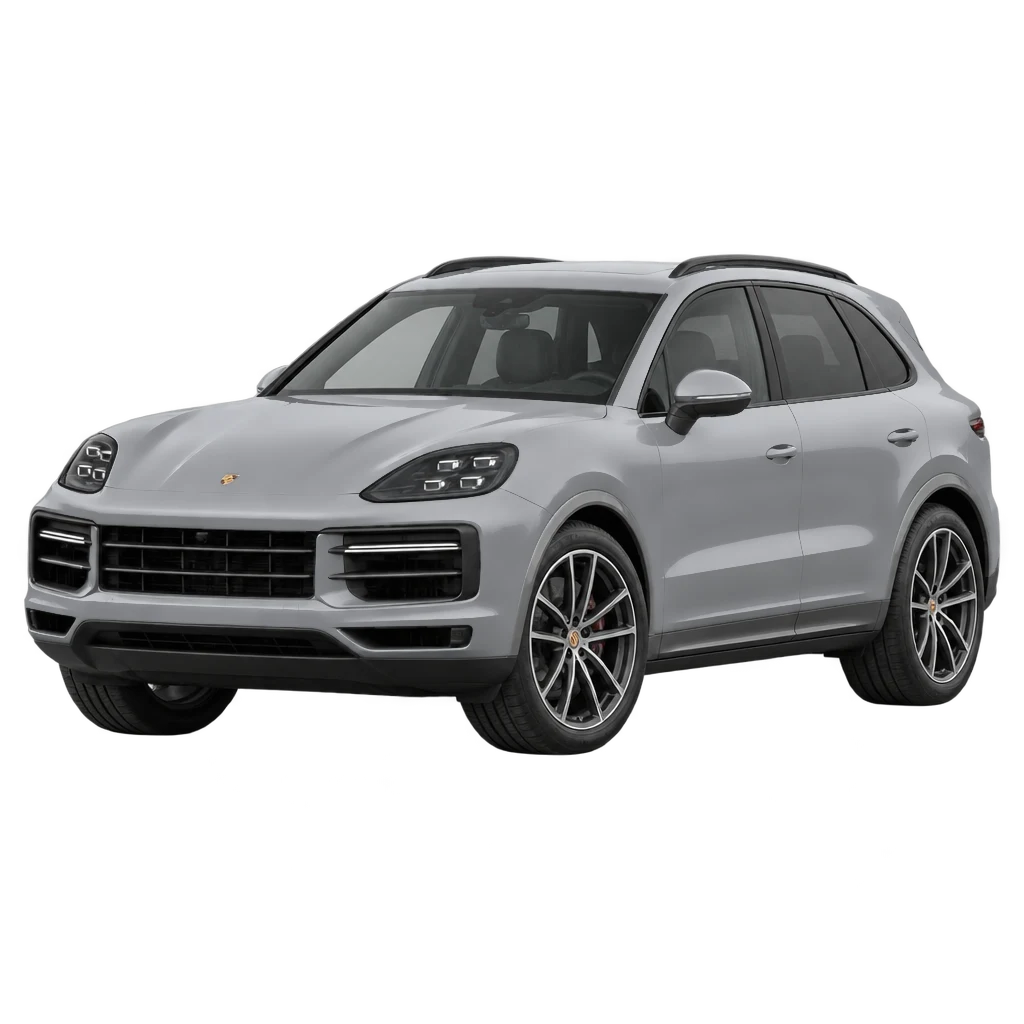
The 2026 U.S. SUV lineup includes three confirmed versions: Cayenne Electric, Cayenne S Electric, and Cayenne Turbo Electric.
These are separate from the gasoline-powered Cayenne, plug-in hybrid Cayenne, and lower-roof Cayenne Coupe Electric.
The standard Cayenne Electric produces up to 435 horsepower with Launch Control and accelerates from zero to 60 mph in approximately 4.5 seconds.
The Cayenne S Electric increases peak Launch Control output to 657 horsepower and reduces the corresponding acceleration time to approximately 3.6 seconds.
The Cayenne Turbo Electric reaches up to 1,139 horsepower with Launch Control and accelerates from zero to 60 mph in approximately 2.4 seconds.
Those figures represent specified peak performance, not continuous power output during normal driving.
All three versions use electric all-wheel drive, but performance-related equipment, wheel choices, cooling requirements, and factory options can vary.
Porsche's U.S. EPA range table lists 317 miles for the standard Cayenne Electric, 299 miles for the Cayenne S Electric, and 298 miles for the Cayenne Turbo Electric.
Certain Porsche-specified tire or range configurations have different EPA ratings.
For example, Porsche lists 322 miles for the Cayenne Electric with Range Setup, 325 miles for the Cayenne S Electric with Range Setup, and 303 miles for the Turbo Electric with specified 21-inch all-season tires.
These U.S. EPA figures should not be replaced with European WLTP range estimates.
All three versions use a lithium-ion high-voltage battery with approximately 113 kWh of gross energy capacity.
The battery is integrated into the vehicle's structure and uses sophisticated cooling and thermal management.
An 800-volt electrical architecture supports particularly high DC charging power.
Porsche specifies charging rates approaching 400 kW under suitable conditions and approximately 16 minutes to charge from 10 percent to 80 percent at compatible high-power equipment.
Those are manufacturer test figures requiring appropriate battery temperature, charging hardware, and operating conditions.
The U.S. Cayenne Electric has a factory NACS/J3400 DC fast-charging connection and a separate J1772 AC charging connection.
Porsche supplies a CCS DC adapter for compatible charging stations.
The charging architecture differs from vehicles with a single CCS1 combination port, so owners should confirm the appropriate connection and station compatibility.
The Cayenne Electric combines performance-oriented suspension design with luxury SUV versatility.
Depending on configuration, available features include adaptive air suspension, rear-axle steering, advanced active chassis technology, and specialized performance brakes.
The vehicle also offers towing capability up to 7,716 pounds when appropriately equipped, subject to the specific model and equipment.
Towing weight, terrain, and driving speed can significantly affect electric driving range.
The cabin introduces Porsche's Flow Display infotainment arrangement, digital instrument technology, and available passenger-focused screens.
Advanced cameras, radar sensors, parking systems, electronic safety equipment, and premium glass may be installed depending on configuration.
These driver-assistance technologies do not make the SUV fully autonomous.
For insurance purposes, the Cayenne Electric has several distinguishing characteristics.
Its high-voltage battery and charging system require qualified handling after substantial damage.
The Turbo's extreme performance, optional high-end brake systems, advanced suspension equipment, and expensive factory options may influence repair costs and vehicle valuation.
However, a high horsepower rating does not independently determine an insurance premium.
Owners should ensure that insurers identify the exact electric version, correct VIN, year-specific EPA and equipment information, selected coverage, deductibles, and vehicle value.
How Much Does Porsche Cayenne Electric Insurance Cost?
Porsche Cayenne Electric insurance costs vary with the driver, garaging location, vehicle configuration, insurer, and selected coverage. There is no dependable single national premium that represents every 2026 Cayenne Electric owner. The electric Cayenne is a high-value performance luxury SUV with sophisticated electrical systems, premium body components, and specialized repair requirements. Its potential physical-damage costs can depend on the exact variant. The standard Cayenne Electric, Cayenne S Electric, and Cayenne Turbo Electric offer different performance levels and may have different equipment and market values. The Cayenne's 113 kWh gross traction battery is another significant component. Qualifying accident damage to the battery enclosure, high-voltage connections, cooling equipment, or nearby structural components may require specialized inspection. Optional Porsche Active Ride, rear-axle steering, performance wheels, ceramic-composite brakes, premium lighting, and electronic displays can also affect certain covered repairs. Not every minor collision damages those systems, and a high original purchase price does not automatically establish an insurance premium. Driving history, prior claims, annual mileage, garaging location, vehicle use, and legally permitted underwriting factors remain important. Policy choices directly affect the cost. Liability limits, collision and comprehensive deductibles, uninsured or underinsured motorist protection, rental reimbursement, glass protection, and roadside assistance can change a quote. The most useful comparison involves personalized quotes using identical coverage limits, deductibles, and optional benefits. SureEV does not publish fabricated Cayenne Electric insurance averages or guarantee rates.
What affects insurance cost
Several factors specific to the Porsche Cayenne Electric are worth understanding when shopping for insurance.
Model Version and Vehicle Value
The Cayenne Electric, S Electric, and Turbo Electric have different performance specifications and equipment possibilities. Factory options, wheels, brakes, suspension, displays, paint, and interior finishes may affect vehicle valuation and replacement-part costs. An insurance quotation should identify the exact battery-electric variant by VIN. A gasoline Cayenne or Cayenne Coupe Electric should not be treated as an identical vehicle.
The 113 kWh Gross Battery
The Cayenne Electric uses a lithium-ion traction battery with approximately 113 kWh of gross capacity. Substantial underbody or collision damage may require qualified inspection of the battery enclosure, cooling equipment, high-voltage connections, and surrounding structure. Collision or comprehensive insurance may apply to qualifying physical damage, depending on the event and policy. Ordinary battery degradation generally is not covered automobile physical damage.
Electric Performance and Drive Units
All three SUV versions use electric all-wheel drive. The Turbo offers especially high peak Launch Control output and advanced performance equipment. Qualifying damage to electric motors, power electronics, drivetrain components, or cooling systems may require Porsche-specific diagnosis. Performance alone does not establish the cost of a particular repair.
Advanced Suspension, Steering, and Brakes
Available Porsche chassis technologies can include adaptive air suspension, rear-axle steering, Porsche Active Ride, and specialized brake equipment. The actual installed configuration determines which components are present. Covered damage may require particular alignment, replacement, electronic programming, or calibration procedures. Owners should document optional equipment before obtaining insurance quotations.
Digital Displays, Glass, and Sensors
The Cayenne Electric incorporates Porsche's Flow Display, connected systems, driver-assistance equipment, cameras, and sensors. Certain covered glass or collision repairs may require diagnostic work or electronic calibration. Factory lighting, premium glazing, and display systems can also influence repair estimates. Ordinary software subscriptions and unrelated electronic failures are not automatically insured physical-damage claims.
Driver Profile, Location, and Coverage
Driving history, garaging location, annual mileage, claims experience, vehicle use, and selected insurance protection affect individual rates. Higher liability limits, different deductibles, and optional benefits can change the premium. State rules, regional repair costs, and severe-weather exposure may also matter. Owners should compare equivalent insurance policies rather than generic advertised averages.
Battery and insurance
The 2026 Porsche Cayenne Electric SUV uses a high-voltage lithium-ion battery with approximately 113 kWh gross energy capacity. Gross capacity is not the same as verified net usable energy. The two should not be presented as interchangeable. Porsche integrates the battery into the vehicle structure, contributing to packaging, rigidity, and handling characteristics. The pack also uses advanced thermal management and double-sided cooling to support charging and performance. Its 800-volt electrical architecture enables high-power DC charging. Under optimal conditions, Porsche lists DC charging approaching 400 kW and approximately 16 minutes from 10 percent to 80 percent. Actual charging performance depends on battery temperature, charger output, operating conditions, and state of charge. The 2026 U.S. Cayenne Electric uses NACS/J3400 for DC fast charging and J1772 for AC charging, with a Porsche CCS DC adapter for compatible stations. Owners should confirm station and connector compatibility, including charging-network support. Porsche also offers optional wireless inductive charging technology, subject to equipment and availability. An optional charging system should not be described as standard equipment on every vehicle. Following a substantial accident, underbody impact, or flooding event, appropriately trained personnel may need to evaluate battery safety. Relevant work can include inspecting the enclosure, thermal systems, high-voltage isolation, electrical connections, and adjacent structural components. Collision coverage may apply to qualifying battery damage caused by a covered accident. Comprehensive coverage may apply to certain insured non-collision events. Normal battery capacity loss, manufacturing defects, and routine maintenance generally fall outside standard automobile physical-damage insurance. Battery inspection does not automatically mean the entire pack must be replaced. Repair decisions depend on actual damage, safety requirements, component availability, and Porsche's procedures. Manufacturer battery warranty coverage is separate from collision and comprehensive insurance. Charging cables, adapters, portable equipment, and residential charging installations may require different automobile or property insurance consideration.
Repair considerations
The Porsche Cayenne Electric combines a performance-focused electric drivetrain with a complex luxury SUV body and advanced chassis technology. Repairs involving the high-voltage battery, drive electronics, and charging hardware require appropriately trained technicians and suitable diagnostic equipment. After significant covered damage, repair facilities may need to examine battery protection structures, cooling systems, electrical isolation, motors, wiring, and supporting components. The Cayenne Electric's battery integration can make structural damage assessment particularly important. Correct diagnosis should establish which components are actually damaged rather than automatically assuming extensive battery replacement. The S and Turbo versions may also have different drivetrain, suspension, braking, wheel, or cooling components from the standard model. Factory options can create additional complexity. Available Porsche Active Ride, rear-axle steering, adaptive suspension, and ceramic-composite brake equipment may require model-specific procedures after relevant repairs. Premium body panels, lighting, glass, and infotainment components can also influence physical-damage repair estimates. Porsche-qualified repair access is especially important when high-voltage safety or structural repairs are involved. Owners should verify how their insurance policy handles qualified repair facilities, factory parts, electronic calibration, and rental transportation during eligible claims. Rental reimbursement and roadside assistance remain subject to policy limits and eligibility conditions.
Cameras, sensors, glass and technology
The Cayenne Electric introduces Porsche's digital cockpit architecture with an integrated Flow Display and advanced infotainment technology. Depending on configuration, equipment includes a digital instrument cluster, central touch display, available passenger display, connected vehicle functions, and premium audio options. Cameras, parking sensors, radar equipment, and driver-assistance features may be installed according to the selected version and options. These systems assist the driver; they do not remove responsibility for vehicle operation. A covered windshield replacement, bumper repair, or collision may require inspection of affected cameras or other sensors. Certain repairs may also require electronic programming or calibration according to Porsche procedures. Not every glass replacement damages adjacent electronic systems. Available rear-axle steering and active suspension can also involve electronic control and calibration procedures when affected by qualifying physical damage. Premium exterior lighting, panoramic glass, digital displays, and factory equipment should be correctly identified when preparing estimates. Software services, subscriptions, and unrelated electronic failures are not automatically covered collision or comprehensive claims. Owners should retain documentation of the original factory equipment so insurance quotations, repairs, and total-loss valuations reflect the actual Cayenne Electric configuration.
Coverage considerations
Insurance for the Porsche Cayenne Electric should reflect its combination of performance, luxury equipment, advanced electronics, and high-voltage electric propulsion. The 2026 U.S. lineup includes the Cayenne Electric, Cayenne S Electric, and Cayenne Turbo Electric. Each version should be identified correctly by VIN and factory equipment. Liability coverage generally addresses qualifying bodily injury or property damage for which the insured driver is legally responsible. It does not ordinarily pay to repair the driver's own Cayenne Electric. Owners should select liability limits based on their financial exposure, personal circumstances, and applicable state rules rather than assuming the legal minimum is automatically sufficient. Collision coverage may apply to qualifying physical damage from an accident involving another vehicle or object. Depending on the loss, repairs could involve exterior panels, wheels, suspension, brakes, electric motors, battery protection structures, or factory-installed electronics. Comprehensive coverage generally applies to specified non-collision events, including covered theft, vandalism, hail, falling objects, certain fires, and flooding. High-voltage equipment, premium glass, lighting, and electronic components may be eligible when physically damaged by a covered event and permitted under the policy. Neither collision nor comprehensive protection automatically covers gradual battery aging, ordinary wear, manufacturing defects, routine maintenance, or unrelated software problems. Uninsured and underinsured motorist coverage may provide benefits when another driver has insufficient applicable insurance. Availability and coverage structures vary by state. Medical payments and personal injury protection may also be relevant depending on state law and the policy. The Cayenne Electric's advanced driver-assistance systems and available luxury equipment deserve particular attention. Owners should ask whether necessary manufacturer-specified calibration, electronic diagnosis, and factory-approved repair procedures are covered when resulting from insured damage. The Cayenne's available performance brakes, Porsche Active Ride, rear-axle steering, and other options should be reflected in the vehicle's documented equipment. Rental reimbursement can help with eligible transportation expenses during covered repairs, subject to daily and overall limits. A rental endorsement does not necessarily guarantee another Porsche or an equivalent performance EV. Roadside assistance should be checked for EV-specific towing requirements and suitable service destinations. Optional GAP protection may be relevant to certain financed or leased vehicles, subject to separate agreement terms. Home charging equipment, portable accessories, adapters, and residential electrical installations may require separate automobile or property insurance evaluation. Actual protection depends on policy terms, the cause of loss, deductibles, exclusions, coverage limits, and applicable law.
Deductibles
A deductible is the portion of an eligible covered claim that the policyholder is responsible for before the applicable insurance payment is calculated. Collision and comprehensive coverage commonly have separate deductibles. Choosing a higher deductible generally reduces the premium but increases the owner's financial responsibility after an insured loss. A lower deductible normally raises the premium while reducing that responsibility. For a Porsche Cayenne Electric, owners should consider the vehicle's current value, the potential expense of specialized repairs, and their ability to pay an unexpected amount. The Cayenne Electric's battery, performance hardware, advanced suspension, and premium electronics can affect particular repair costs. However, not every collision damages these systems. For example, a $1,500 collision deductible rather than a $500 deductible creates an additional $1,000 of out-of-pocket responsibility following a qualifying claim. The correct choice depends on premium savings, personal finances, and the vehicle's insured value. Optional equipment may also influence deductible decisions. Some insurers provide different terms for eligible glass repairs, including special deductibles or provisions. Owners should confirm whether necessary camera or radar recalibration associated with a covered windshield claim is included. Financing or leasing arrangements may impose deductible requirements. There is no universally appropriate deductible for every Cayenne Electric owner.
Accidents and total loss
After an accident involving a Porsche Cayenne Electric, protecting people is the first priority. Seek emergency assistance when needed and avoid exposed high-voltage components or damaged battery equipment. A significant collision, flood, or underbody impact may require a qualified high-voltage assessment before the vehicle is driven or charged. The Cayenne Electric uses a 113 kWh gross traction battery integrated into the vehicle structure. Repair facilities may need to inspect battery protection areas, electrical isolation, cooling equipment, electric drive units, structural components, and related wiring. The S and Turbo versions may have different performance components, brakes, cooling equipment, wheels, or optional chassis systems. The exact configuration should guide the repair estimate. Affected cameras, sensors, suspension systems, and steering equipment may require additional inspection or calibration. Not every collision causes battery damage, and inspection does not automatically require complete battery replacement. Safe repair decisions depend on the actual condition and Porsche's applicable procedures. A total loss may occur when repair economics and applicable insurer and state-law requirements establish that the vehicle should not be repaired. Relevant criteria may include repair cost, vehicle value, salvage value, safety requirements, and jurisdiction-specific thresholds. There is no single nationwide total-loss percentage. Under standard actual cash value coverage, an eligible total-loss settlement generally reflects the vehicle's market value immediately before the loss, subject to policy terms and applicable law. The original MSRP, outstanding loan balance, or cost of buying a new Porsche is not automatically the settlement amount. Valuation should distinguish the Cayenne Electric from the Cayenne S Electric and Cayenne Turbo Electric. Factory equipment, model year, mileage, condition, wheels, brakes, suspension, interior options, and relevant comparable vehicles may also affect value. Gasoline Cayenne models, E-Hybrid models, and Cayenne Coupe Electric variants should not automatically be treated as identical comparables. Owners should retain the factory window sticker, purchase agreement, maintenance records, photographs, and documentation of significant options. If a proposed value omits important factory equipment or uses unsuitable comparisons, the owner can request the valuation report and review available dispute procedures. Optional GAP coverage may address a qualifying financing shortfall after an eligible total loss, subject to its own terms and exclusions.
Questions to ask an insurer
Does your policy correctly identify my 2026 Porsche Cayenne Electric, Cayenne S Electric, or Cayenne Turbo Electric by VIN, electric drivetrain, factory equipment, and current market value?
Does collision or comprehensive coverage apply to qualifying physical damage involving the 113 kWh gross traction battery, battery enclosure, cooling system, high-voltage connections, electric motors, and charging hardware?
Does your repair network offer access to Porsche-qualified facilities capable of handling the Cayenne Electric's 800-volt system, structural battery integration, and model-specific repair requirements?
How does the policy cover eligible repairs involving advanced suspension, rear-axle steering, Porsche Active Ride, optional performance brakes, and other factory chassis equipment?
Does your policy include necessary electronic diagnosis, programming, and calibration of cameras, radar equipment, premium lighting, glass, and driver-assistance systems following a covered loss?
If my Cayenne Electric is declared a total loss, how will you determine its actual cash value using the correct electric variant, factory options, mileage, condition, and appropriate market comparisons?
What liability limits, collision and comprehensive deductibles, uninsured or underinsured motorist coverage, glass provisions, rental reimbursement, EV towing assistance, GAP options, and relevant exclusions are available?
Ways to shop smarter
Identify the exact electric Cayenne. Provide the VIN and confirm whether the vehicle is the Cayenne Electric, Cayenne S Electric, or Cayenne Turbo Electric. Do not use gasoline, hybrid, or Coupe specifications.
Compare equivalent insurance quotes. Request quotes using the same liability limits, deductibles, uninsured or underinsured motorist protection, and selected optional benefits.
Document performance and luxury options. Keep the factory window sticker and records showing wheels, brakes, suspension, steering, displays, glass, and other installed equipment.
Review high-voltage battery coverage. Ask how qualifying physical damage to the 113 kWh gross traction battery, electrical connections, cooling equipment, and charging system is handled.
Verify Porsche-qualified repair access. Confirm availability of appropriately trained high-voltage technicians and manufacturer-specific repair procedures.
Review electronic and glass claims. Ask how eligible windshield, lighting, camera, radar, display, and calibration repairs are treated under the policy.
Consider rental, towing, and financing protection. Evaluate rental reimbursement, electric-vehicle towing arrangements, roadside assistance, and optional GAP coverage when applicable.
Reevaluate the policy at renewal. Review current market value, factory equipment, annual mileage, premiums, deductibles, liability protection, and available discounts.
Frequently asked questions
Is the Porsche Cayenne Electric expensive to insure?
Porsche Cayenne Electric insurance costs depend on the driver's history, location, exact vehicle version, factory equipment, selected protection, deductibles, and insurer underwriting. Its high-performance electric drivetrain, large battery, advanced chassis options, and luxury equipment may influence potential claim expenses. However, there is no dependable universal insurance premium. Compare personalized quotes using equivalent coverage.
Which 2026 Porsche Cayenne Electric models are offered in the United States?
Porsche USA lists the 2026 Cayenne Electric, Cayenne S Electric, and Cayenne Turbo Electric as fully battery-electric SUV versions. These models are separate from gasoline-powered Cayenne vehicles, Cayenne E-Hybrid models, and the lower-roof Cayenne Coupe Electric. Insurance records should identify the exact electric model and installed options.
What battery does the Porsche Cayenne Electric use?
The 2026 Porsche Cayenne Electric SUV lineup uses a high-voltage lithium-ion traction battery with approximately 113 kWh of gross capacity. It operates within an 800-volt electrical architecture and supports high-power DC charging. Gross battery capacity should not be confused with usable capacity. Manufacturer warranty protection is separate from automobile physical-damage insurance.
What is the EPA range of the 2026 Porsche Cayenne Electric?
Porsche's U.S. EPA range table lists 317 miles for the standard Cayenne Electric, 299 miles for the Cayenne S Electric, and 298 miles for the Cayenne Turbo Electric in their listed standard configurations. Porsche also publishes higher figures for certain specified range or tire configurations. Actual driving range depends on speed, temperature, tires, terrain, vehicle loading, and driving conditions.
How quickly can the Porsche Cayenne Electric charge?
Porsche specifies DC charging power approaching 400 kW under suitable conditions and approximately 16 minutes to charge from 10% to 80% using compatible high-power equipment. Actual charging speed depends on battery temperature, state of charge, station capability, and operating conditions. The U.S. vehicle uses a NACS/J3400 DC charging connection and a separate J1772 AC charging port, with a Porsche CCS DC adapter for compatible stations.
Does insurance cover the Porsche Cayenne Electric battery?
Collision insurance may apply to qualifying physical battery damage caused by a covered accident, while comprehensive coverage may apply to certain covered non-collision events. Actual protection depends on the cause of loss, policy terms, deductibles, exclusions, limits, and state law. Normal battery degradation, routine maintenance, and manufacturing defects generally are not standard physical-damage insurance claims.
What is the difference between the Cayenne Electric, S Electric, and Turbo Electric?
The three 2026 U.S. electric SUVs offer increasing performance levels. The Cayenne Electric produces up to 435 horsepower with Launch Control, the Cayenne S Electric reaches 657 horsepower, and the Cayenne Turbo Electric reaches 1,139 horsepower. They share the 113 kWh gross battery architecture but may differ in performance-related equipment, wheels, brakes, suspension, and vehicle value.
Does the Porsche Cayenne Electric require specialized repairs?
Certain repairs involving the 800-volt electrical system, traction battery, drive units, advanced suspension, active chassis systems, electronic controls, and driver-assistance technology require appropriately trained technicians and equipment. Not every routine repair is specialized. Owners should confirm access to qualified Porsche repair facilities for the actual damage involved.
How is the Porsche Cayenne Electric valued after an insurance total loss?
Under standard actual cash value coverage, an eligible total-loss settlement generally reflects the vehicle's market value immediately before the loss, subject to policy provisions and state law. Valuation should distinguish the Cayenne Electric, Cayenne S Electric, and Cayenne Turbo Electric and account for mileage, condition, factory equipment, and appropriate comparable vehicles. Original MSRP does not automatically determine the settlement.
Related EV insurance topics
Ready to compare?
Compare EV insurance options and find coverage that fits your needs.