


























EV Insurance Guide
Polestar 2
Insurance considerations for the Polestar 2 electric fastback, including single-motor, dual-motor, and Performance Pack configurations.
Overview
The Polestar 2 is a fully electric five-passenger fastback with a liftgate, modern digital technology, and a performance-oriented driving experience. The Polestar 2 entered the U.S. market for the 2021 model year. Early U.S. versions were offered with dual-motor all-wheel drive, followed by single-motor front-wheel-drive configurations. A significant update arrived for the 2024 model year. Polestar changed the single-motor configuration to rear-wheel drive and introduced revised electric motors, battery options, and performance improvements. The 2025 U.S. model lineup emphasized the Long Range Dual Motor configuration, with equipment and performance options varying by vehicle. The Polestar 2 combines a high-voltage lithium-ion battery, regenerative braking, Google built-in infotainment, and available driver-assistance technology. Some versions include a Performance Pack with specialized brakes, suspension components, and wheels. For U.S. owners, another consideration is Polestar's changing market presence. In June 2026, Polestar announced that it would not be authorized to sell model-year 2027 and later vehicles in the United States under the current federal Connected Vehicle Rule. Polestar also stated that it intends to support existing U.S. customers, including service and warranty commitments. This development does not automatically make existing Polestar 2 vehicles uninsurable or unrepairable. However, owners should consider the availability of qualified service facilities, replacement parts, and the vehicle's current market value. Insurance decisions should account for the exact model year, drivetrain, battery configuration, optional equipment, and coverage needs.
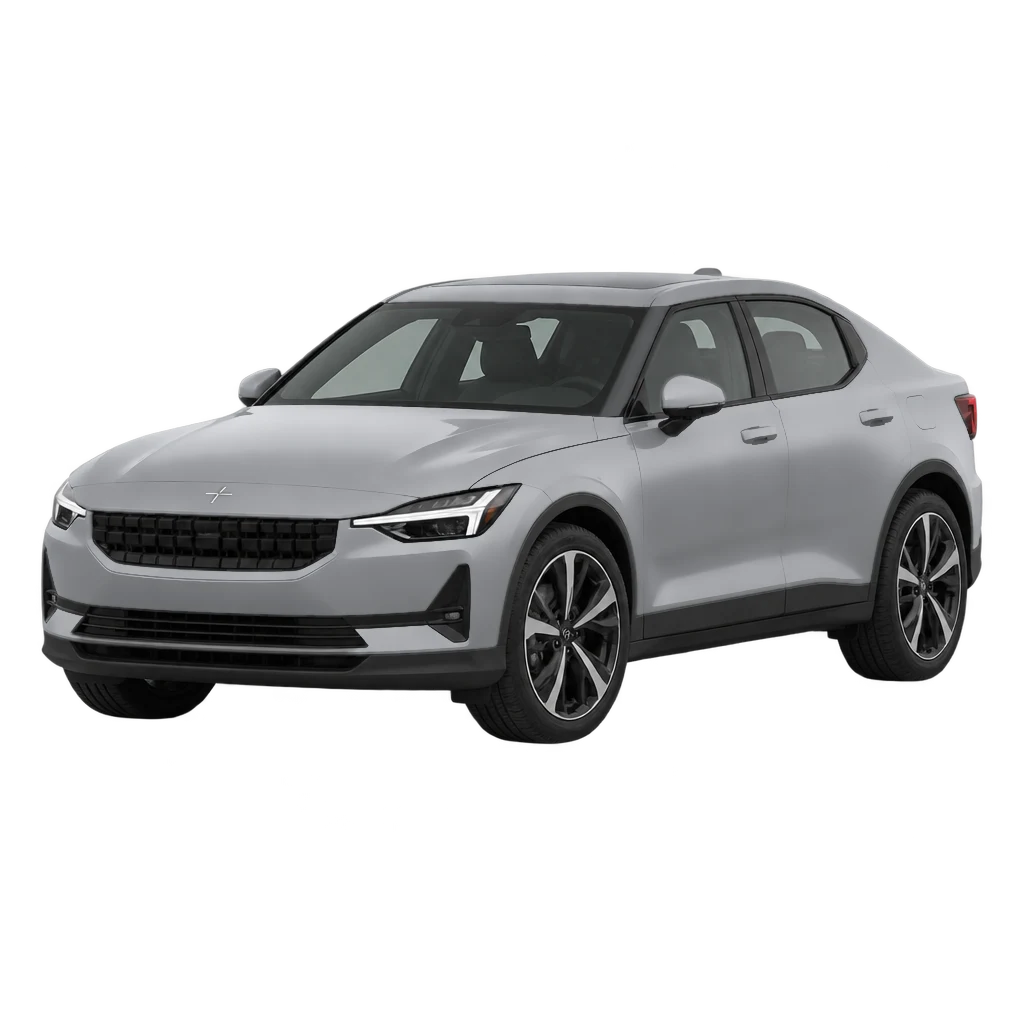
How Much Does Polestar 2 Insurance Cost?
Polestar 2 insurance premiums depend on the driver's location, driving record, age, annual mileage, model year, vehicle value, coverage limits, deductibles, and insurer. The exact vehicle configuration also matters. An early dual-motor all-wheel-drive Polestar 2 may have different repair requirements and replacement values than a later single-motor rear-wheel-drive version. Vehicles equipped with the Performance Pack may include specialized Brembo brakes, Ohlins dampers, larger wheels, and other performance-related components. The high-voltage battery, electric motors, charging components, digital displays, and driver-assistance systems can also influence repair expenses. Current used-vehicle values are especially relevant when evaluating collision coverage and deductibles. Polestar's changing U.S. sales operations make it sensible to ask insurers about access to qualified repair facilities and replacement parts. There is no reliable universal insurance premium for every Polestar 2. Comparing personalized quotes using the exact model year and configuration is the best way to evaluate insurance pricing.
What affects insurance cost
Several factors specific to the Polestar 2 are worth understanding when shopping for insurance.
Model year, drivetrain, and vehicle value
Polestar 2 configurations changed substantially across model years. Early single-motor U.S. models used front-wheel drive, while the redesigned 2024 and later single-motor versions use rear-wheel drive. Dual-motor configurations use all-wheel drive. The motors, battery specifications, power output, equipment, and vehicle values vary by model year. Insurers may consider replacement value, expected repair costs, claims experience, theft exposure, and other factors. Actual cash value generally reflects current market conditions rather than the original purchase price. Owners should ensure their policy identifies the correct version of the vehicle.
High-voltage battery and charging components
The Polestar 2 uses a lithium-ion high-voltage battery beneath the passenger compartment. Battery specifications vary by model year and configuration. Earlier U.S. vehicles commonly used a battery with approximately 78 kWh gross capacity, while later configurations introduced updated battery packs. Do not assume that every U.S. Polestar 2 has the same battery capacity. After a collision, technicians may need to inspect the battery enclosure, electrical connections, cooling system, and adjacent structure. Damage to high-voltage components may require specialized safety procedures and diagnostic equipment. Battery damage can increase repair costs, but it does not automatically establish a total loss.
Single-motor versus dual-motor configurations
The Polestar 2 has been offered with single-motor and dual-motor powertrains. Early U.S. single-motor versions use front-wheel drive, while redesigned 2024 and later single-motor versions use rear-wheel drive. Dual-motor versions use all-wheel drive and offer higher combined power output. Motor assemblies, power electronics, and drivetrain components may differ between configurations. Insurance premiums are not determined by motor count alone. Vehicle value, repair costs, driver characteristics, and insurer underwriting also matter.
Performance Pack components
Certain Polestar 2 configurations were available with a Performance Pack. Depending on model year, equipment may include Brembo front brakes, manually adjustable Ohlins dampers, distinctive wheels, and performance-oriented chassis tuning. Some configurations also feature enhanced power output through performance software. These components can affect replacement-part pricing and repair procedures. Owners should confirm that the insurer correctly identifies factory-installed performance equipment. Specialized equipment does not guarantee a particular premium increase, but it may influence repair estimates.
Driver-assistance systems, cameras, and glass
Depending on model year and optional equipment, the Polestar 2 may include adaptive cruise control, Pilot Assist, a 360-degree camera system, parking sensors, and other safety technologies. These systems may rely on cameras, radar, electronic control modules, and calibrated components. Windshield replacement, bumper repairs, or collision damage involving sensor mounting locations may require calibration and diagnostic checks. Owners should ask whether their insurer's repair network can perform the required Polestar procedures.
U.S. service network and used-vehicle market
Polestar announced in June 2026 that it would not receive authorization to sell model-year 2027 and later vehicles in the United States under the current federal Connected Vehicle Rule. The company stated that it intends to continue supporting existing customers through its service network and honoring warranty and other product commitments. This does not automatically establish that parts are unavailable, insurance is restricted, or repairs cannot be completed. Nevertheless, owners should consider qualified repair access, replacement-part lead times, current resale values, and rental reimbursement coverage. These considerations may become more significant as vehicles age.
Battery and insurance
The Polestar 2 uses a rechargeable lithium-ion high-voltage battery. Battery capacities and charging performance vary by model year and configuration. Earlier U.S. Long Range versions commonly used approximately 78 kWh gross battery capacity. Later vehicles introduced updated battery configurations, so owners should consult the specifications for their particular model year and drivetrain. The Polestar 2 uses a CCS1 connector for DC fast charging in the United States, with J1772-compatible AC charging. The vehicle supports Level 2 charging, while DC fast-charging capability depends on the battery version, charger output, temperature, and state of charge. Polestar's 2025 owner documentation lists an onboard AC charging capability of up to 11 kW under appropriate conditions. It also describes battery-dependent DC fast-charging limits. The vehicle can access compatible Tesla Superchargers using an appropriate NACS adapter, subject to charger compatibility and network access. This does not mean that earlier U.S. Polestar 2 vehicles have a factory-installed NACS port. Charging time depends on battery condition, charger power, temperature, and starting charge level. Battery warranty protection and automobile insurance cover different types of risk. The applicable Polestar warranty booklet defines the high-voltage battery warranty, qualifying defects, capacity provisions, exclusions, and remaining eligibility. A covered manufacturing defect may fall under the manufacturer's warranty. Physical battery damage from a covered collision or comprehensive event may fall under automobile insurance, subject to policy terms. Normal battery degradation is generally not an automobile insurance claim.
Repair considerations
Polestar 2 collision repairs may require specialized high-voltage training, diagnostic equipment, and manufacturer-approved procedures. Following a collision, technicians may need to inspect the battery enclosure, high-voltage cables, electric motors, power electronics, cooling system, charging components, and vehicle structure. Repair procedures may differ between front-wheel-drive, rear-wheel-drive, and dual-motor all-wheel-drive versions. Vehicles with Performance Pack equipment may require specialized suspension or brake components. Electronic systems and advanced driver-assistance features may also need diagnostic checks or calibration. Owners should confirm that a qualified repair facility is accessible and ask about replacement-part availability. Rental reimbursement may help with eligible transportation costs while covered repairs are completed.
Cameras, sensors, glass and technology
The Polestar 2 includes Google built-in infotainment and a vertically oriented central touchscreen. Equipment varies by model year and option package. Available features may include a 360-degree camera system, Pilot Assist, adaptive cruise control, parking sensors, premium audio, and additional electronic equipment. A windshield replacement or collision repair involving camera and sensor locations may require calibration. Insurers should be asked whether factory-installed electronics, glass, sensors, and necessary recalibration are covered following an eligible insured event.
Coverage considerations
Collision coverage generally helps pay for covered damage caused by a collision with another vehicle or object, subject to the deductible and policy terms. Comprehensive coverage generally addresses covered non-collision losses, which may include theft, fire, vandalism, and certain weather events. Physical damage to the high-voltage battery may fall under collision or comprehensive coverage when caused by an eligible insured event. Liability insurance addresses covered injury or property damage for which the insured driver is legally responsible, subject to policy limits. Rental reimbursement and roadside assistance may be valuable, particularly when qualified EV repair facilities are farther away. Coverage for charging cables, portable charging equipment, home chargers, and personal property can vary by policy. Owners should confirm these details directly with their insurer.
Deductibles
A deductible is the amount a policyholder must pay toward an eligible covered claim before insurance pays the remaining covered amount. Higher deductibles may reduce premiums but increase out-of-pocket costs after a claim. For the Polestar 2, repairs involving the battery, electric drivetrain, performance components, sensors, or electronics may be expensive. As the vehicle depreciates, a deductible may represent a larger proportion of its current value. Compare deductible options with your budget, repair exposure, and the vehicle's actual cash value.
Accidents and total loss
A Polestar 2 may be declared a total loss when the insurer determines that applicable policy provisions and state total-loss requirements have been met. Repair costs, vehicle value, salvage value, and applicable legal thresholds may influence the determination. Damage involving the high-voltage battery, structure, electric motors, or advanced electronics can significantly affect repair estimates. Battery damage does not automatically require a total-loss determination. Actual cash value generally reflects current market conditions, including model year, mileage, trim, drivetrain, condition, and comparable vehicles. For financed or leased vehicles, GAP coverage may help with an eligible difference between the insurance settlement and outstanding loan or lease balance, subject to its terms.
Questions to ask an insurer
Does your repair network include facilities qualified to service Polestar 2 high-voltage batteries and electric drivetrains?
Does my policy cover battery damage resulting from an eligible collision or comprehensive event?
Are required camera, radar, and driver-assistance system recalibrations covered following an eligible repair?
Does my quote correctly identify the model year, drivetrain, and any factory-installed Performance Pack equipment?
How will you determine the actual cash value of my Polestar 2 if it is declared a total loss?
What rental reimbursement and roadside assistance options are available if specialized repairs require additional time?
Are factory-installed electronics, glass, charging equipment, and other EV-specific components covered following an eligible insured event?
Ways to shop smarter
Compare personalized quotes from multiple insurers using the exact Polestar 2 model year and configuration.
Confirm whether the vehicle uses front-wheel drive, rear-wheel drive, or dual-motor all-wheel drive.
Identify the correct battery configuration and review the applicable battery warranty.
Disclose factory-installed Performance Pack equipment and other relevant options.
Ask about qualified Polestar repair facilities and replacement-part availability in your area.
Review coverage for the high-voltage battery, charging components, cameras, sensors, and electronics.
Compare collision and comprehensive deductibles against the vehicle's current market value.
Consider rental reimbursement and roadside assistance, particularly if specialized repair facilities are not nearby.
Frequently asked questions
Which Polestar 2 model years were sold in the United States?
The Polestar 2 entered the U.S. market for the 2021 model year. U.S. configurations changed over time, and availability differed from the international lineup. In 2026, Polestar announced that it would not be authorized to sell model-year 2027 and later vehicles in the United States under the current federal Connected Vehicle Rule.
Is the Polestar 2 front-wheel drive, rear-wheel drive, or all-wheel drive?
All three configurations have existed across different model years. Early U.S. single-motor vehicles used front-wheel drive. The redesigned 2024 and later single-motor configuration uses rear-wheel drive. Dual-motor versions use all-wheel drive.
What is the driving range of the Polestar 2?
EPA-estimated range varies by model year, drivetrain, battery, wheels, and equipment. For example, the 2025 dual-motor model has an EPA-rated range of 278 miles with 19-inch wheels and 268 miles with 20-inch wheels. Other versions have different ratings. Actual range varies with driving conditions.
Does the Polestar 2 use CCS or NACS charging?
U.S.-market Polestar 2 vehicles use CCS1 for DC fast charging and J1772-compatible AC charging. Compatible Tesla Superchargers may be accessed using an appropriate NACS adapter. Charger access and compatibility should be verified before traveling.
What is the Polestar 2 battery warranty?
Polestar provides high-voltage battery warranty protection under its applicable U.S. warranty terms. Owners should review the model-year-specific warranty booklet for the coverage period, mileage limit, capacity provisions, exclusions, and remaining eligibility. Manufacturer warranty protection is separate from automobile insurance.
Does insurance cover Polestar 2 battery replacement?
Physical battery damage resulting from a covered collision or comprehensive event may be covered under the applicable insurance policy. Normal degradation and manufacturing defects are generally handled differently. Manufacturing defects may qualify for warranty coverage.
Is the Polestar 2 expensive to insure?
Insurance pricing depends on the driver, location, model year, vehicle value, drivetrain, optional equipment, insurer, and coverage selections. High-voltage components, electronics, and specialized repair requirements may affect repair costs. Compare personalized quotes rather than relying on a universal estimate.
What happens if my Polestar 2 is declared a total loss?
The insurer generally determines the settlement using actual cash value, subject to the policy and applicable state law. Original purchase price and remaining loan balance may differ from the settlement. GAP coverage may help with an eligible loan or lease shortfall, subject to its terms.
Will Polestar's changing U.S. operations affect my insurance?
Polestar's U.S. sales changes do not automatically terminate existing insurance or make vehicles unrepairable. The company has stated that it intends to continue supporting existing customers and honoring warranty commitments. Owners should still monitor service access, parts availability, and current vehicle values.
Related EV insurance topics
Ready to compare?
Compare EV insurance options and find coverage that fits your needs.