




















EV Insurance Guide
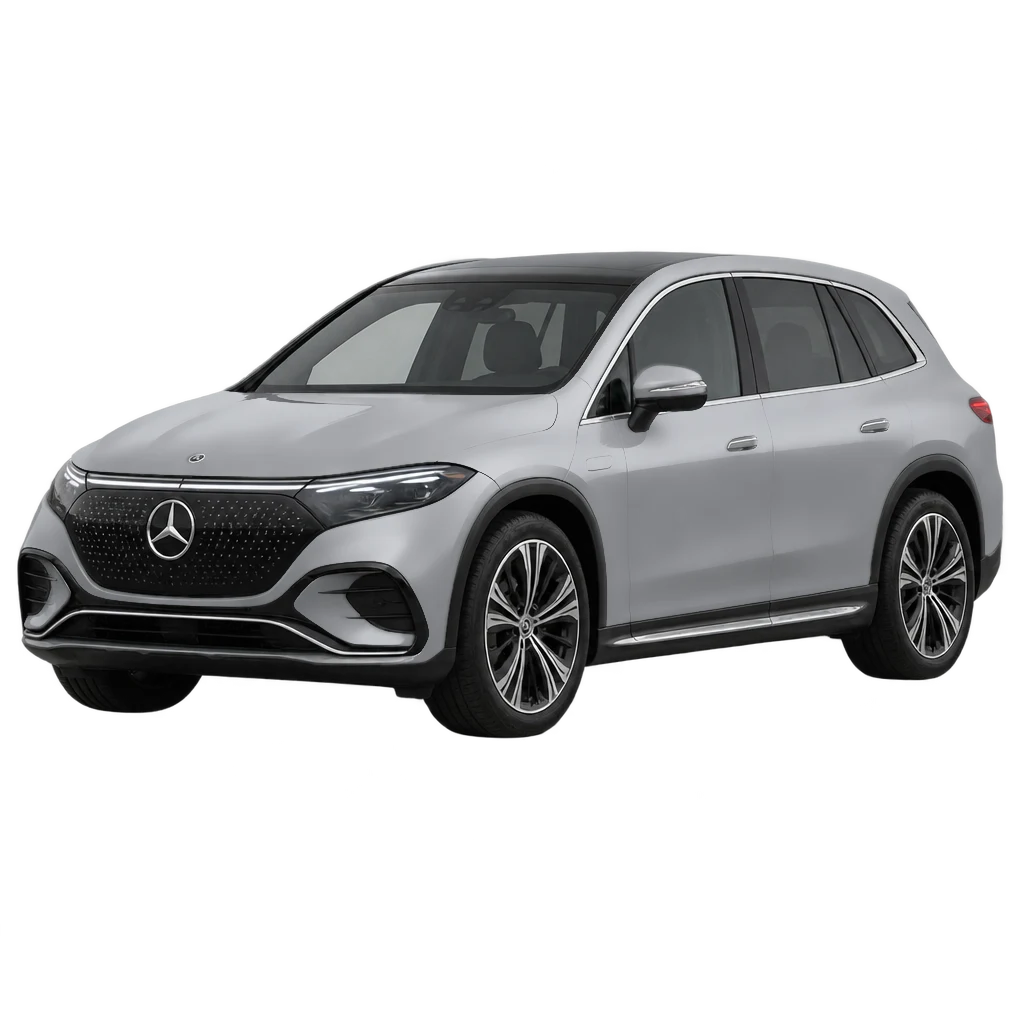
Mercedes-Benz EQS SUV
Insurance considerations for the Mercedes-Benz EQS full-size luxury electric SUV.
Overview
The Mercedes-Benz EQS SUV is a full-size luxury electric sport utility vehicle that entered the United States market for the 2023 model year. Built on Mercedes-Benz's dedicated EVA2 electric vehicle architecture, it combines the brand's flagship electric technology with the passenger space, elevated driving position, and cargo versatility of a large SUV. The EQS SUV is manufactured in Tuscaloosa, Alabama, with high-voltage battery production supported by Mercedes-Benz's nearby Alabama battery operations. Depending on configuration, the vehicle offers seating for five or up to seven passengers. The original 2023 U.S. lineup included the EQS 450+ SUV with rear-wheel drive, the EQS 450 4MATIC SUV with dual-motor all-wheel drive, and the higher-output EQS 580 4MATIC SUV. Later U.S. listings include the EQS 400 4MATIC SUV and EQS 550 4MATIC SUV. Availability and technical specifications vary by model year. For 2023, Mercedes-Benz published estimated driving ranges of approximately 305 miles for the EQS 450+ SUV and 285 miles for both the EQS 450 4MATIC SUV and EQS 580 4MATIC SUV. Actual EPA ratings for other years and configurations should be checked at fueleconomy.gov. The EQS SUV presents distinctive insurance considerations because of its high vehicle value, large high-voltage battery, sophisticated driver-assistance technology, MBUX digital displays, AIRMATIC suspension, rear-axle steering, luxury interior components, and specialized repair requirements.
How Much Does Mercedes-Benz EQS SUV Insurance Cost?
Insurance costs for the Mercedes-Benz EQS SUV depend on the vehicle's model year, configuration, market value, driving history, location, annual mileage, coverage selections, deductible, and insurance provider. As a full-size luxury electric SUV, the EQS may involve higher repair expenses than mainstream SUVs because of its premium materials, complex electronic systems, specialized components, and manufacturer-specific repair procedures. A newer EQS SUV with a higher market value may present different insurance costs than an older example that has depreciated. The rear-wheel-drive and all-wheel-drive configurations may also have different replacement values and repair characteristics. However, there is no universal insurance premium for the EQS SUV. Comparing personalized quotes from multiple insurers is the most reliable way to evaluate coverage and pricing.
What affects insurance cost
Several factors specific to the Mercedes-Benz EQS SUV are worth understanding when shopping for insurance.
Full-size luxury SUV replacement value
The EQS SUV occupies a premium segment of the electric vehicle market. Its original purchase price, advanced equipment, luxury materials, and specialized replacement parts can contribute to higher claim expenses. Insurers consider vehicle value and expected repair costs among many factors when determining premiums. Actual cash value generally reflects the vehicle's current market value rather than its original MSRP. Because luxury EVs can depreciate substantially, owners should periodically review their coverage in relation to the vehicle's current value.
High-voltage battery and electrical systems
The EQS SUV uses a large lithium-ion battery integrated into its dedicated electric vehicle platform. Battery specifications differ by model year and configuration. Owners should verify the exact battery capacity using Mercedes-Benz USA documentation for their particular vehicle rather than assuming that every EQS SUV uses the same battery as the EQS Sedan. High-voltage battery inspection and repair require specialized training, safety procedures, diagnostic equipment, and appropriately qualified technicians. Battery damage following a collision can increase repair costs, especially when the battery enclosure, cooling system, electrical connections, or surrounding structural components are affected. Battery damage does not automatically mean a vehicle is a total loss. The determination depends on the damage, repair procedures, costs, vehicle value, and applicable insurance rules.
MBUX Hyperscreen and luxury interior electronics
The EQS SUV features Mercedes-Benz's MBUX infotainment technology, with display configurations that vary by model year and trim. The available MBUX Hyperscreen integrates multiple digital displays into a wide dashboard assembly. On certain configurations, it is included as standard equipment. Damage to digital displays, electronic modules, or surrounding luxury interior materials can result in significant repair expenses. Owners should confirm how their collision and comprehensive coverage applies to factory-installed displays and electronics following covered damage.
Driver-assistance sensors and recalibration
The EQS SUV incorporates advanced driver-assistance technology using cameras, radar, and other electronic systems. Repairs involving the windshield, bumpers, body panels, cameras, sensors, or their mounting locations may require recalibration or diagnostic verification. A relatively minor collision may involve additional electronic repair procedures beyond visible body damage. Insurance shoppers should confirm that the insurer's repair network can perform the procedures required for their vehicle's equipment.
AIRMATIC suspension and rear-axle steering
The EQS SUV incorporates advanced chassis technology, including AIRMATIC air suspension and rear-axle steering. These systems help provide ride comfort, vehicle control, and maneuverability despite the SUV's large dimensions. Damage involving air suspension components, steering equipment, wheels, sensors, or related electronic systems may require specialized parts and repair procedures. The exact equipment and technical specifications should be confirmed for the specific model year and configuration.
Dual-motor all-wheel drive and vehicle size
The original EQS 450+ SUV uses a single rear motor and rear-wheel drive. The 4MATIC configurations use dual electric motors and all-wheel drive. The vehicle's substantial weight and size may affect the types of parts and repair procedures involved after a collision. Dual-motor configurations add drivetrain components compared with single-motor vehicles, potentially increasing repair complexity. However, all-wheel drive does not automatically mean a specific insurance premium increase. Insurers evaluate the complete vehicle, driver, location, and coverage profile.
Battery and insurance
The Mercedes-Benz EQS SUV uses a high-voltage lithium-ion battery designed to power its electric drivetrain. Battery capacity and electrical specifications vary by model year and configuration. Owners should consult official Mercedes-Benz USA documentation for the specific vehicle rather than applying specifications from the EQS Sedan or a different EQS SUV model year. For the original 2023 U.S. lineup, Mercedes-Benz published estimated driving ranges of approximately 305 miles for the EQS 450+ SUV, 285 miles for the EQS 450 4MATIC SUV, and 285 miles for the EQS 580 4MATIC SUV. Range ratings differ for later models. Earlier U.S. EQS SUV configurations use a CCS1 connector for DC fast charging and a J1772-compatible connector for Level 2 AC charging. Mercedes-Benz specified DC fast charging capability of up to approximately 200 kW for the original EQS SUV, with an estimated 10-to-80-percent charging time of approximately 31 minutes under suitable conditions. Charging capabilities, connector compatibility, and available adapters should be verified for the particular model year. Do not assume that changes announced for the 2027 EQS Sedan also apply to the EQS SUV. Mercedes-Benz's 2025 U.S. warranty documentation lists high-voltage battery limited coverage of 10 years or 155,000 miles, whichever comes first, for the EQS SUV, subject to the applicable warranty conditions. Warranty terms should be verified for the vehicle's specific model year. A manufacturer battery warranty and automobile insurance cover different risks. Manufacturing defects and qualifying battery failures may be addressed under the manufacturer's warranty. Physical battery damage caused by a covered collision or comprehensive event may fall under the applicable insurance coverage, subject to policy terms and deductibles. Normal battery aging and degradation are generally not covered by automobile insurance.
Repair considerations
The Mercedes-Benz EQS SUV may require specialized repair facilities familiar with high-voltage EV systems, advanced driver-assistance technology, premium body components, and manufacturer-specific diagnostic procedures. Following a collision, technicians may need to inspect the battery enclosure, high-voltage connections, cooling systems, structural components, cameras, sensors, and suspension systems. The EQS SUV's large body panels, luxury interior materials, and electronic equipment can increase repair complexity. The availability of replacement parts and appropriately qualified repair facilities may influence how long repairs take. Owners should confirm whether their insurer provides access to facilities capable of performing the required Mercedes-Benz procedures. Rental reimbursement coverage may be worth considering because some specialized repairs can require extended service time.
Cameras, sensors, glass and technology
The EQS SUV incorporates sophisticated digital displays, cameras, radar sensors, electronic control systems, and driver-assistance features. Windshield replacement and repairs involving sensor mounting locations may require calibration or other diagnostic procedures. The MBUX system and available Hyperscreen are important components of the vehicle's interior technology. Damage to these systems may require manufacturer-specific replacement parts, programming, or diagnostic work. Owners should ask whether their policy covers factory-installed displays, sensors, glass, and required recalibration following an eligible covered event.
Coverage considerations
Collision coverage generally addresses damage to the insured vehicle resulting from a collision with another vehicle or object, subject to the policy's terms and deductible. Comprehensive coverage generally addresses covered non-collision events such as theft, fire, vandalism, and certain weather-related losses. High-voltage battery damage resulting from a covered event may fall under collision or comprehensive coverage depending on the circumstances. Liability insurance addresses covered injury or property damage for which the insured driver is legally responsible, subject to applicable limits and policy terms. Owners who finance or lease an EQS SUV should review their lender's or leasing company's insurance requirements. Coverage for charging equipment, accessories, and personal property may vary by insurer and policy. Confirm the applicable coverage directly with your insurance provider.
Deductibles
The deductible is the amount the policyholder must pay toward an eligible covered claim before the insurer pays the remaining covered amount. For the EQS SUV, repairs involving the high-voltage battery, large body panels, luxury displays, advanced sensors, air suspension, or specialized steering components can be substantial. Choosing a higher deductible may reduce the insurance premium, but it also increases the owner's out-of-pocket responsibility after a covered loss. Select a deductible based on your financial situation, risk tolerance, and the vehicle's current market value.
Accidents and total loss
A Mercedes-Benz EQS SUV may be declared a total loss when the insurer determines that the applicable total-loss criteria have been met under state law and policy provisions. The determination may consider repair costs, actual cash value, salvage value, and applicable legal thresholds. High-voltage battery damage, structural damage, or extensive electronic repairs may significantly influence the repair estimate, but none automatically establishes a total loss. Actual cash value generally reflects the vehicle's current market value, including its model year, configuration, mileage, condition, and comparable used-vehicle sales. For financed or leased vehicles, GAP coverage may help address an eligible difference between the insurance settlement and the outstanding loan or lease balance, subject to its terms and exclusions.
Questions to ask an insurer
Does your repair network include facilities qualified to service Mercedes-Benz EQS SUV high-voltage systems?
Does my policy cover battery damage caused by a covered collision or comprehensive event?
Are camera, radar, and driver-assistance sensor recalibrations covered after an eligible repair?
Does coverage include factory-installed MBUX displays and the Hyperscreen when damaged by a covered event?
How will you calculate the actual cash value of my EQS SUV model year and configuration?
What rental reimbursement coverage is available if specialized repairs take several weeks?
If my EQS SUV is financed or leased, should I consider GAP coverage based on my outstanding balance?
Ways to shop smarter
Compare personalized quotes from multiple insurers using the exact EQS SUV model year and configuration.
Identify the correct variant, including the 450+, 450 4MATIC, 580 4MATIC, or newer 400 4MATIC and 550 4MATIC, as applicable.
Confirm that the insurer's repair network includes appropriately qualified Mercedes-Benz EV repair facilities.
Review coverage for factory-installed displays, cameras, sensors, and required recalibration.
Consider rental reimbursement coverage in case specialized repairs require additional time.
Compare collision and comprehensive deductibles against the vehicle's current market value.
Review GAP coverage if the outstanding loan or lease balance exceeds the vehicle's current value.
Verify battery warranty, charging specifications, and EPA range using official documentation for the exact model year.
Frequently asked questions
Which Mercedes-Benz EQS SUV configurations have been offered in the United States?
The EQS SUV entered the U.S. market for the 2023 model year with the EQS 450+ SUV, EQS 450 4MATIC SUV, and EQS 580 4MATIC SUV. Newer Mercedes-Benz USA listings include the EQS 400 4MATIC SUV and EQS 550 4MATIC SUV. Availability varies by model year. The Mercedes-Maybach EQS SUV is a separate luxury model and is not included in this guide.
What is the EPA-estimated driving range of the EQS SUV?
For the original 2023 U.S. lineup, Mercedes-Benz published approximately 305 miles for the EQS 450+ SUV and approximately 285 miles for both the EQS 450 4MATIC SUV and EQS 580 4MATIC SUV. Range ratings vary by model year, configuration, wheels, tires, and equipment. Check fueleconomy.gov for the specific vehicle.
What battery does the Mercedes-Benz EQS SUV use?
The EQS SUV uses a high-voltage lithium-ion battery. Capacity varies by model year and configuration. Owners should verify the battery specifications against Mercedes-Benz USA documentation for their exact vehicle. The EQS Sedan and EQS SUV should not automatically be assumed to share identical battery specifications across all model years.
What is the Mercedes-Benz EQS SUV battery warranty?
Mercedes-Benz's 2025 U.S. warranty documentation lists high-voltage battery limited coverage of 10 years or 155,000 miles, whichever comes first, for the EQS SUV. Coverage is subject to warranty terms, limitations, and exclusions. Verify the warranty booklet applicable to your vehicle's model year.
Does the Mercedes-Benz EQS SUV use CCS or NACS charging?
Earlier U.S. EQS SUV models use CCS1 for DC fast charging and J1772-compatible Level 2 AC charging. Charging connector compatibility and available adapters should be verified for the specific model year. Do not apply announced EQS Sedan charging changes to the SUV without separate manufacturer confirmation.
Does insurance cover EQS SUV battery replacement?
Automobile insurance generally does not cover battery replacement due to normal aging or degradation. Physical battery damage from a covered collision or comprehensive event may be covered under the relevant policy provisions. Manufacturing defects and qualifying battery failures may instead be addressed under the manufacturer's warranty.
Is the EQS 580 4MATIC SUV more expensive to insure than the EQS 450+ SUV?
The EQS 580 4MATIC SUV has a higher-output dual-motor drivetrain and may have different replacement values and repair expenses compared with the EQS 450+ SUV. However, actual insurance premiums depend on the insurer, driver, location, model year, and selected coverage. Compare personalized quotes for each configuration rather than assuming a fixed difference.
What happens if my EQS SUV is declared a total loss?
The insurer generally determines a settlement based on the vehicle's actual cash value, subject to policy terms and applicable state law. This amount may differ substantially from the vehicle's original purchase price. GAP coverage may help address an eligible difference between the settlement and the remaining loan or lease balance.
How does the EQS SUV differ from the EQS Sedan for insurance purposes?
The EQS SUV and EQS Sedan share Mercedes-Benz's dedicated EVA2 electric vehicle architecture but differ in body style, dimensions, weight, passenger accommodation, and equipment. The SUV's larger body, optional third-row seating, and SUV-specific components may affect repair expenses differently than the sedan. Insurance premiums should be compared using the specific vehicle configuration rather than assuming the two models cost the same to insure.
Related EV insurance topics
Ready to compare?
Compare EV insurance options and find coverage that fits your needs.