
























EV Insurance Guide
Fisker Ocean
Fisker Ocean insurance guide for the discontinued 2023-2024 U.S. electric SUV, covering Sport, Ultra, Extreme and One trims, battery protection, insurance costs, replacement parts, recalls, and specialized repairs.
Overview
The Fisker Ocean is a five-passenger battery-electric SUV sold in the United States for the 2023 and 2024 model years. Developed by Fisker Inc. and manufactured by Magna Steyr in Graz, Austria, the Ocean was designed to combine distinctive styling, practical electric range, and advanced digital technology.
The model is discontinued. Ocean production ended in 2024, and Fisker Inc. entered Chapter 11 bankruptcy proceedings in June of that year.
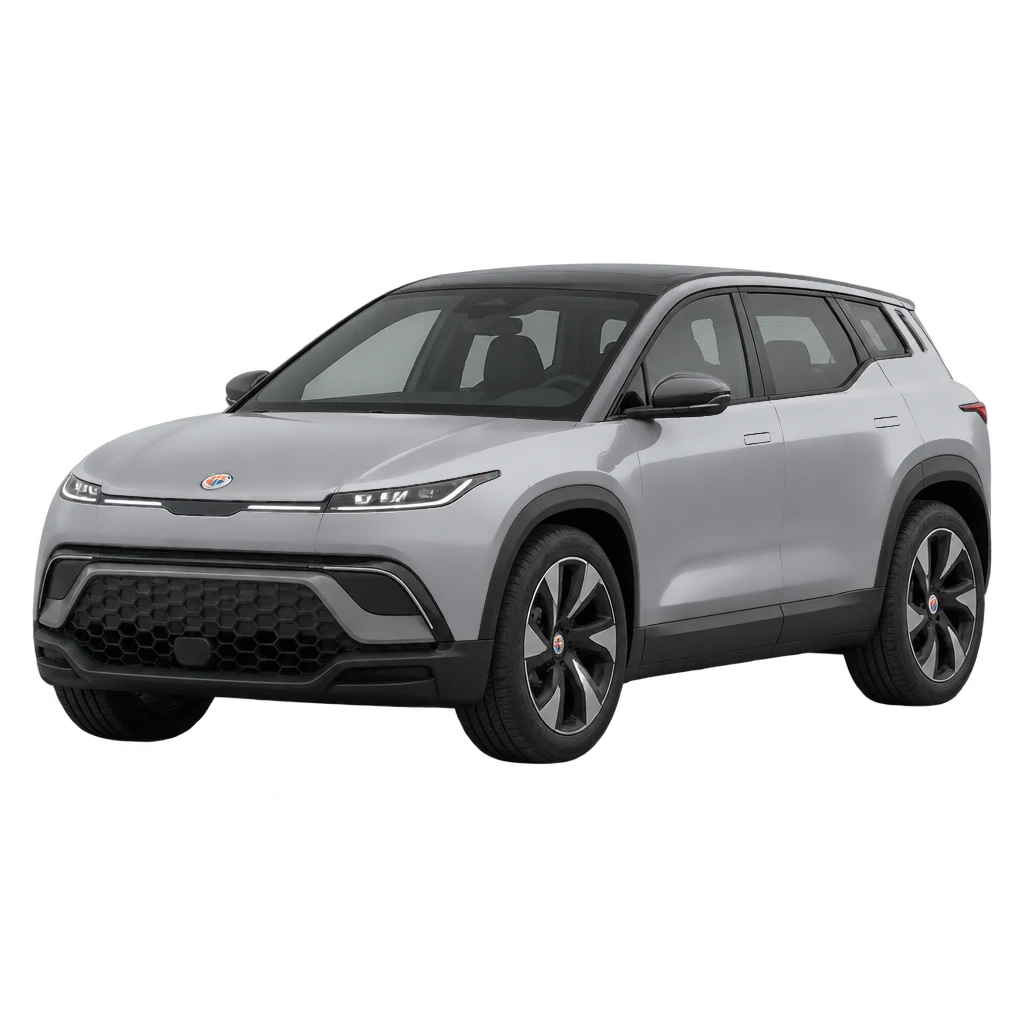
Although existing Fisker Ocean vehicles remain on American roads, owners face a different support environment from drivers of electric vehicles produced by active, established manufacturers.
Replacement parts, qualified service access, software functionality, recalls, warranty support, and resale values are particularly important considerations.
The U.S. lineup included four principal versions: Sport, Ultra, Extreme, and the limited-production Ocean One launch edition.
The Ocean Sport uses one electric motor driving the front wheels. It has a 73 kWh lithium iron phosphate, or LFP, battery and a published EPA-estimated driving range of 231 miles for the applicable U.S. configuration.
The Ocean Ultra uses dual electric motors and all-wheel drive. It has a larger 113 kWh nickel manganese cobalt, or NMC, battery and a published EPA-estimated driving range of approximately 350 miles with the applicable equipment.
The Ocean Extreme and Ocean One also use dual-motor all-wheel drive and the 113 kWh NMC battery. Their published U.S. EPA-estimated driving range reaches approximately 360 miles with the relevant wheel configuration.
These battery specifications refer to manufacturer-published pack energy ratings and should not automatically be described as usable capacity.
Battery chemistry, drivetrain, driving range, and installed equipment differ among trims. Insurance quotations and repair estimates should identify the correct version.
The Sport was rated at approximately 282 horsepower in the manufacturer's published specifications. Higher-trim AWD versions can produce up to approximately 564 horsepower in their applicable higher-output operating mode.
Maximum power depends on the version and operating conditions. It is not a guaranteed continuous output in all circumstances.
The Ocean is approximately 188 inches long, placing it in the midsize electric SUV category.
The cabin features digital instrumentation and a large 17.1-inch central touchscreen. Certain versions include Fisker's Revolve display, which rotates between portrait and landscape orientations.
Additional equipment varies by trim and includes California Mode, specialized glass roofs, premium audio, cameras, driver-assistance systems, and available SolarSky roof technology.
California Mode coordinates the operation of multiple windows and roof-related functions on equipped vehicles. The SolarSky roof, offered on certain higher-trim models, incorporates solar-cell technology.
Factory wheels and tires also vary, including 20-inch and available 22-inch configurations. Wheel selection can influence both driving range and replacement costs.
U.S. Ocean vehicles use a CCS1 connection for compatible DC fast charging and J1772-compatible AC charging equipment.
Fisker's original published charging information estimated approximately 31 minutes to charge the Sport from 10 percent to 80 percent under suitable DC charging conditions and approximately 34 minutes for larger-battery configurations.
Actual charging speed varies with the charging station, battery temperature, state of charge, battery condition, and installed vehicle software.
From an insurance perspective, the Ocean presents an unusual combination of high-voltage components, advanced electronic equipment, relatively limited production volume, and discontinued-manufacturer support.
The battery, electric drivetrain, glass roof, body panels, charging components, cameras, sensors, and interior electronics may require specialized repairs following a qualifying covered loss.
However, automobile insurance does not guarantee the availability of discontinued components or the continued operation of manufacturer-connected services.
Similarly, an original manufacturer warranty is not interchangeable with collision or comprehensive insurance.
A warranty generally addresses specified defects or failures under its written conditions, while physical-damage insurance responds to qualifying covered events.
The manufacturer's bankruptcy may complicate the availability and enforcement of original warranty remedies.
Owners should establish the exact trim and battery configuration, document the vehicle's current condition, investigate available repair facilities, verify applicable recall information, and understand its current market value.
These steps support more informed insurance shopping and can help reduce confusion during claims involving this uncommon electric SUV.
How Much Does Fisker Ocean Insurance Cost?
The cost of Fisker Ocean insurance depends on the driver, vehicle configuration, location, selected coverages, and individual insurance company. There is no reliable single national average that accurately represents every Ocean owner. The vehicle's discontinued status complicates broad insurance comparisons. Its original purchase price may differ substantially from its current used-market value. An Ocean purchased before Fisker's bankruptcy may now have a lower market value because of depreciation, diminished manufacturer support, buyer concerns, and changing market conditions. A lower market value can affect the amount potentially payable under actual cash value coverage. However, reduced value does not necessarily mean all repairs are inexpensive. Replacement body panels, glass, electrical modules, battery components, and specialized drivetrain equipment may be difficult to source. Certain repairs may require qualified technicians familiar with Fisker-specific procedures, electronic systems, and high-voltage safety requirements. Parts availability and diagnostic access can influence repair costs, downtime, and whether restoration is economically feasible after an insured accident. Sport, Ultra, Extreme, and One versions also differ in battery size, drivetrain, performance, factory equipment, and market value. For example, the Sport's smaller LFP battery and front-wheel-drive system are distinct from the higher-trim NMC battery and dual-motor all-wheel-drive architecture. Insurers should correctly identify the vehicle rather than assuming every Ocean has identical components and replacement costs. Personal risk factors remain central to pricing. Driving record, age, prior claims, garaging location, annual mileage, vehicle use, and permitted underwriting information can affect premiums. Coverage choices also affect cost. Liability limits, collision and comprehensive deductibles, uninsured or underinsured motorist protection, rental reimbursement, and roadside assistance should be compared consistently. Some insurers may have vehicle eligibility restrictions or additional questions about repair arrangements for a discontinued model. Owners should confirm whether the insurer offers the desired physical-damage coverage and how it handles qualified repairs, unavailable components, and valuation. Insurance generally does not compensate an owner simply because the vehicle depreciated following bankruptcy or because a manufacturer no longer provides certain services. The most reliable approach is to compare personalized quotes for the exact Ocean using equivalent coverage levels and deductibles.
What affects insurance cost
Several factors specific to the Fisker Ocean are worth understanding when shopping for insurance.
Current Market Value and Discontinued Status
The Ocean's current actual cash value reflects the used market rather than its original sticker price. Bankruptcy, discontinued production, condition, mileage, trim, service history, and comparable vehicle transactions can affect value. Under standard actual cash value coverage, an eligible total-loss settlement generally reflects the vehicle's pre-loss market value, subject to policy terms and applicable law. Owners should document their specific Ocean configuration and retain relevant purchase, equipment, and service records.
Battery Chemistry and High-Voltage System
The Sport uses a 73 kWh LFP battery, while Ultra, Extreme, and One models have a 113 kWh NMC battery. The different battery systems require accurate identification when evaluating damage and potential repair or replacement. High-voltage inspections may involve the enclosure, cooling equipment, connectors, wiring, and battery-management electronics. Normal battery degradation is generally not an insured physical-damage event.
Replacement Parts and Repair Facilities
The end of Ocean production and Fisker's bankruptcy changed the availability of original manufacturer service channels. Some parts and repairs may remain accessible through independent suppliers, specialists, existing inventories, or other service arrangements. However, availability is not guaranteed for every component or location. Limited parts access may increase repair delays or influence the economic feasibility of covered repairs.
Glass, Cameras, Electronics, and Roof Equipment
The Ocean may feature a rotating touchscreen, camera and radar equipment, advanced driver assistance, California Mode, and specialized glass roof assemblies. Different trims use different equipment. Covered repairs involving windshields, sensors, roof components, or electronic modules may require diagnosis, programming, or calibration. Replacement costs and component availability should be evaluated using the actual vehicle configuration.
Drivetrain, Performance, and Wheels
The Sport uses single-motor front-wheel drive. Higher trims use dual-motor all-wheel drive. Motor systems, power electronics, wheel specifications, and related components can differ among versions. Available 22-inch wheels and performance-oriented tires may have different replacement costs from standard equipment. Insurers should use the exact VIN, trim, and factory specifications when evaluating repairs.
Driver Profile and Coverage Choices
Driving history, garaging location, annual mileage, prior claims, and policy selections are important insurance pricing factors. Coverage limits, deductibles, available discounts, and optional benefits can materially affect quotes. Owners should compare equivalent coverage and consider the Ocean's current market value when choosing collision and comprehensive protection.
Battery and insurance
The Fisker Ocean was offered with two principal U.S. battery configurations. The Sport uses a 73 kWh lithium iron phosphate battery, while the Ultra, Extreme, and Ocean One use a 113 kWh nickel manganese cobalt battery. These are manufacturer-published battery energy ratings. They should not automatically be treated as net usable capacities. Battery chemistry, electrical configuration, and component requirements differ between the versions. The traction battery includes cell assemblies, a protective enclosure, thermal management equipment, high-voltage wiring, electronic controls, and monitoring systems. Following a significant collision, underbody impact, or covered flooding event, qualified personnel may need to inspect the battery system for physical and electrical damage. Collision insurance may apply to qualifying battery damage caused by a covered accident. Comprehensive insurance may apply to certain qualifying non-collision events, such as covered fire or flooding. Coverage depends on the cause of loss, actual policy wording, exclusions, deductibles, limits, and state law. A damaged or suspected damaged battery does not automatically require complete replacement. Qualified technicians must evaluate the actual condition and available safe repair procedures. For Ocean owners, repair feasibility also depends on whether appropriate parts, diagnostic tools, and service expertise remain available. Normal battery aging, gradual capacity loss, routine maintenance, and unrelated electrical failures generally are not standard automobile physical-damage claims. Fisker's original warranty documentation described high-voltage battery coverage of up to 10 years or 100,000 miles, subject to applicable terms and capacity-retention requirements. However, those historical warranty provisions should not be presented as guaranteed currently available manufacturer-funded repairs. Fisker's bankruptcy and changes to its support organization may limit practical access to warranty remedies. Owners should confirm available service and warranty arrangements before relying on original warranty literature. The Ocean uses CCS1 DC charging equipment and J1772-compatible AC charging in the United States. Original published charging figures estimated approximately 31 minutes from 10 percent to 80 percent for the Sport and approximately 34 minutes for larger-battery variants under suitable conditions. These figures describe original manufacturer estimates, not guaranteed charging performance today. Battery condition, charger output, temperature, software status, and state of charge can affect actual charging. Portable charging cables, adapters, residential charging stations, and home electrical equipment may be insured differently from factory-installed vehicle components. Owners should examine the relevant auto and property policy terms. Insurance, manufacturer warranties, and recall remedies are separate protections with different requirements.
Repair considerations
Repairing a Fisker Ocean can involve challenges beyond those of a conventional vehicle. Because Ocean production ended and Fisker entered bankruptcy, owners may need to rely on qualified independent repair specialists, available parts suppliers, or other established service arrangements. The existence of an independent repair option does not mean every part or repair procedure is available everywhere. The Ocean includes a high-voltage battery, electric drive units, cooling systems, electrical control modules, and specialized electronic equipment. Repairs involving high-voltage components require properly trained personnel, safety equipment, and appropriate diagnostic procedures. Following a covered collision, the repair facility may need to inspect the battery enclosure, electrical isolation, drivetrain, suspension, structural components, sensors, and associated wiring. Correct trim identification is essential. Sport, Ultra, Extreme, and One vehicles do not all share identical battery and propulsion systems. Replacement panels, glass, exterior lighting, door handles, electronic control units, and interior equipment may be difficult to source in certain circumstances. Repair estimates should account for both physical components and any required programming, electronic diagnosis, or driver-assistance calibration. Some repairs may be delayed while a component is located through a specialized supplier. A parts shortage does not automatically establish that the vehicle must be declared a total loss. The insurer must evaluate the claim under the applicable policy, repair circumstances, and legal requirements. Rental reimbursement may help offset eligible transportation costs during a covered repair, subject to daily and total policy limits. Roadside assistance should be reviewed for appropriate EV towing procedures and transport destinations. Following significant battery-related damage, owners should avoid attempting their own high-voltage inspections. Owners should also check open safety recalls through NHTSA using the vehicle identification number. Safety recall remedies are distinct from ordinary insurance claims. The current responsible organization and available remedy process should be confirmed using authoritative recall information. The objective is to establish whether a covered repair can be performed safely, what parts and procedures it requires, and how the insurance policy responds.
Cameras, sensors, glass and technology
The Fisker Ocean features a digital cabin centered around a 17.1-inch touchscreen and related electronic controls. Certain trims include the Revolve display, which rotates between portrait and landscape orientation. Available vehicle technology also includes cameras, radar equipment, parking sensors, driver-assistance features, and premium entertainment systems. Features vary by trim, production configuration, and installed software. Owners should not assume that every originally announced feature was delivered or remains supported. The Ocean was offered with distinct roof configurations, including OpenSky and, on certain higher-trim vehicles, SolarSky equipment. SolarSky incorporates solar technology into the roof assembly and may involve specialized glass and electrical components. California Mode coordinates multiple windows and roof-related functions on equipped vehicles. These systems introduce model-specific parts and electronic controls. Following a covered collision or glass repair, an affected camera or sensor may require inspection, electronic diagnosis, or calibration. The appropriate procedure depends on the equipment installed and the location and extent of the damage. A windshield replacement does not automatically require replacing every camera or radar component. The Ocean's electronics also depend on vehicle software, which may affect functions, diagnostics, and component programming. The manufacturer's bankruptcy raises questions about continued software services and the availability of specialized electronic support. However, standard auto insurance generally does not guarantee future software development, continued connected services, or the correction of ordinary software malfunctions. Insurance coverage ordinarily depends on a qualifying physical-damage event and the applicable policy. Owners should document the installed equipment, functioning safety systems, roof configuration, software status, and any completed recalls. Driver-assistance technology does not make the Fisker Ocean fully autonomous. Accurate equipment identification and access to qualified repair resources help support safer repairs and more informed insurance decisions.
Coverage considerations
Selecting insurance for a Fisker Ocean requires understanding both conventional automobile coverage and the ownership challenges associated with a discontinued electric vehicle. The Ocean combines a high-voltage battery, electric drivetrain, model-specific body parts, electronic systems, and equipment that may require specialized repairs. Fisker's bankruptcy and the end of production add uncertainty involving parts availability, qualified service facilities, warranty support, and vehicle market value. These issues do not automatically make every Ocean uninsurable. However, owners should verify what their particular insurer covers before purchasing or renewing a policy. Liability insurance generally covers qualifying bodily injury or property damage for which an insured driver is legally responsible. It does not ordinarily pay to repair the owner's Fisker Ocean. Collision insurance may cover eligible physical damage resulting from a collision with another vehicle or object. Covered repairs can involve body components, the battery enclosure, electric motors, suspension, wheels, glass, or electronics, depending on the damage and policy. Comprehensive insurance generally covers specified non-collision events, such as theft, vandalism, certain fires, hail, falling objects, and flooding. For an Ocean, these events may damage specialized glass, high-voltage components, exterior lighting, electronic modules, or other factory-installed equipment. However, neither collision nor comprehensive insurance automatically protects against ordinary battery degradation, software malfunctions, manufacturer bankruptcy, unavailable warranty support, or loss of resale value caused solely by market conditions. Uninsured and underinsured motorist protection may provide additional financial protection when another driver has no applicable insurance or insufficient coverage. Available benefits and requirements vary by state. Medical payments or personal injury protection may also be relevant, depending on applicable state law and policy terms. Glass and sensor coverage deserves attention because certain Ocean configurations feature specialized roof glass, cameras, driver-assistance sensors, and electronically controlled window systems. Owners should ask whether eligible repairs include required calibration, diagnosis, or electronic programming. Rental reimbursement can help pay eligible transportation expenses during repairs following a covered claim. Given potential delays sourcing discontinued components, owners should confirm the policy's daily rental limit, maximum benefit, and duration restrictions. Extended repairs do not automatically entitle the owner to unlimited rental coverage. Roadside assistance should be reviewed for appropriate EV towing procedures, towing distance, covered destinations, and reimbursement limits. Optional GAP protection may apply when an eligible total-loss settlement is below a qualifying outstanding loan or lease balance, subject to the GAP agreement. Charging cables, portable equipment, and home charging installations may have separate insurance considerations. The policy's actual terms, exclusions, coverage limits, deductibles, cause of damage, and applicable law determine what is covered.
Deductibles
A deductible is the amount the insured owner is responsible for under an eligible covered claim before the applicable insurance payment is calculated. Collision and comprehensive coverage commonly have separate deductibles. A higher deductible generally reduces the insurance premium but increases out-of-pocket responsibility after a covered loss. A lower deductible generally increases the premium while reducing that responsibility. For Fisker Ocean owners, deductible selection should account for the vehicle's current market value rather than relying only on the original purchase price. Used Ocean values changed substantially following Fisker's bankruptcy and the discontinuation of production. For example, an owner comparing a $500 collision deductible with a $1,500 deductible should evaluate the annual premium difference and whether paying an additional $1,000 after a qualifying loss would be manageable. Parts availability is a separate consideration. A low deductible does not guarantee that discontinued replacement components or specialized repair services can be obtained. Some policies offer different provisions for glass-only claims, while others apply the usual comprehensive deductible. Owners should also consider the cost of collision and comprehensive coverage relative to the vehicle's present actual cash value. Financing or leasing arrangements may contain minimum coverage or maximum deductible requirements. The appropriate choice depends on personal financial circumstances, premium savings, available repair options, current vehicle value, and risk tolerance. There is no universally correct deductible for every Fisker Ocean owner.
Accidents and total loss
Following an accident involving a Fisker Ocean, personal safety comes first. Drivers should seek emergency assistance when necessary and avoid contact with exposed high-voltage wiring or damaged battery components. Significant collisions, flooding, or underbody impacts may require inspection by appropriately qualified technicians before the vehicle is driven or charged. Repair estimates should identify the correct model year, VIN, trim, drivetrain, traction battery, wheels, roof equipment, and factory electronics. The Sport's 73 kWh LFP battery and single-motor drivetrain differ from the 113 kWh NMC battery and dual-motor systems of the Ultra, Extreme, and Ocean One. A repair facility must determine which specific components have been damaged and whether appropriate replacement parts, software tools, diagnostic equipment, and qualified technicians are available. Because Ocean production ended, some components may be harder to obtain than those for vehicles with active manufacturer support. Parts shortages can increase repair delays or affect repair feasibility. However, limited availability does not automatically mean the vehicle must be declared a total loss. A total loss occurs when applicable insurer criteria and state-law requirements are met. Depending on the jurisdiction, repair costs, salvage value, actual cash value, and other factors may affect the determination. Battery damage alone does not automatically establish a total loss. Qualified assessment should determine the actual condition and available safe repair options. Under standard actual cash value coverage, an eligible total-loss settlement generally reflects the Ocean's market value immediately before the covered loss, subject to policy provisions and applicable law. The original purchase price is not automatically the insurance settlement. This distinction is especially significant for the Fisker Ocean because market values changed after the manufacturer's financial difficulties. An accurate valuation should consider the correct trim, mileage, condition, battery configuration, equipment, service history, and appropriate comparable used Ocean vehicles. Owners should retain photographs, purchase documents, factory equipment records, and relevant service history. If a settlement seems inaccurate, owners can request the insurer's valuation report and review applicable options for challenging the valuation. An outstanding loan or lease balance may exceed the eligible insurance settlement. Optional GAP protection may help with a qualifying difference, but it is governed by separate terms, limitations, and exclusions.
Questions to ask an insurer
Does your policy correctly identify my Fisker Ocean by VIN, 2023 or 2024 model year, Sport, Ultra, Extreme or One trim, battery configuration, drivetrain, factory equipment, and current market value?
Does collision or comprehensive coverage apply to qualifying physical damage involving the Ocean's high-voltage traction battery, battery enclosure, cooling system, charging equipment, electric motors, and related electrical components?
Can your insurer arrange qualified Fisker Ocean repairs, and how does the policy handle unavailable replacement parts, diagnostic equipment, electronic modules, or specialized repair facilities?
How does your policy distinguish insured accident damage from ordinary battery degradation, manufacturer defects, software malfunctions, incomplete recall remedies, and unavailable original warranty services?
Are eligible repairs involving the Ocean's windshield, OpenSky or SolarSky roof, Revolve touchscreen, windows, cameras, radar sensors, and required electronic calibration covered?
If my Fisker Ocean is declared a total loss, how will its actual cash value be determined using the correct trim, current used-market comparisons, battery configuration, and factory equipment?
What liability limits, collision and comprehensive deductibles, uninsured or underinsured motorist protection, glass coverage, rental reimbursement, EV towing benefits, GAP options, and relevant exclusions are available?
Ways to shop smarter
Identify the correct vehicle. Provide the VIN, model year, trim, battery type, drivetrain, factory wheels, roof configuration, and other equipment. Do not allow the Sport, Ultra, Extreme, and One to be treated as identical vehicles.
Compare equivalent policies. Use matching liability limits, collision and comprehensive deductibles, uninsured or underinsured motorist coverage, and optional benefits when comparing quotes.
Review current market value. Evaluate the Ocean's present actual cash value rather than its original MSRP. Consider this value when deciding whether particular collision and comprehensive premiums are appropriate.
Verify repair capabilities. Ask whether the insurer can arrange high-voltage inspections and qualifying repairs using appropriately trained technicians and necessary diagnostic equipment.
Ask about discontinued components. Confirm how the policy handles parts delays, difficult-to-source body panels, electronics, charging equipment, and other Fisker-specific components.
Document the vehicle and battery. Retain factory specifications, service history, photographs, equipment records, battery-related documentation, and information about completed repairs.
Review transportation and financing protection. Examine rental reimbursement limits, EV towing, roadside assistance, deductible options, and any applicable GAP coverage.
Check recalls and compare at renewal. Use the vehicle's VIN to review NHTSA recall information and confirm available remedies. Reassess coverage as the Ocean's market value, repair resources, and insurance options change.
Frequently asked questions
Is the Fisker Ocean expensive to insure?
Fisker Ocean insurance premiums depend on the driver's history, location, annual mileage, exact trim, current vehicle value, deductibles, selected coverage, and insurer underwriting. Its discontinued status may affect repair considerations and coverage availability, but there is no reliable universal national insurance premium. Comparing personalized quotes with equivalent coverage provides the most useful information.
Is the Fisker Ocean discontinued?
Yes. Fisker Ocean production ended in 2024, and Fisker Inc. entered Chapter 11 bankruptcy proceedings that year. The vehicle was offered to U.S. customers for the 2023 and 2024 model years. Existing vehicles remain on the road, but owners should investigate current parts availability, qualified repairs, software support, recall arrangements, and resale values.
Which Fisker Ocean trims were sold in the United States?
The principal U.S. versions were Sport, Ultra, Extreme, and the limited-production Ocean One. Sport uses a single front electric motor and a 73 kWh LFP battery. Ultra, Extreme, and One use dual-motor all-wheel drive and a larger 113 kWh NMC battery. Performance, wheels, roof equipment, and other features vary by configuration.
What is the driving range of the Fisker Ocean?
Published U.S. EPA range estimates include approximately 231 miles for Sport, 350 miles for Ultra, and up to 360 miles for Extreme and Ocean One with the applicable equipment. Actual range depends on battery condition, temperature, speed, driving behavior, tires, and vehicle configuration. An older vehicle may deliver less practical range than when new.
Does automobile insurance cover the Fisker Ocean battery?
Collision or comprehensive coverage may apply to qualifying physical battery damage caused by a covered event, subject to the policy's terms, limits, exclusions, and deductibles. Gradual battery degradation, ordinary failures, manufacturing defects, and routine maintenance generally are not standard automobile physical-damage claims. Manufacturer warranties and insurance operate separately.
Is the original Fisker Ocean battery warranty still available?
Fisker's original warranty documents described high-voltage battery coverage of up to 10 years or 100,000 miles, subject to written conditions. However, the manufacturer's bankruptcy complicates the practical availability and enforcement of original warranty remedies. Owners should verify current service arrangements and any applicable legal rights rather than assuming manufacturer-funded repairs remain available.
Can a Fisker Ocean still be repaired after Fisker's bankruptcy?
Some Fisker Ocean repairs may be performed through qualified independent repair specialists and available parts suppliers. However, access to specific replacement parts, high-voltage equipment, diagnostic tools, software services, and qualified labor varies. Not every Ocean is unrepairable, but owners should verify the availability of the specific repair before assuming it can be completed.
Are Fisker Ocean safety recalls still important?
Yes. Fisker Ocean owners should check open recalls using their VIN through the National Highway Traffic Safety Administration. The manufacturer's bankruptcy does not eliminate the importance of safety defects or recall notices. Available repair procedures and responsible service arrangements should be confirmed through current authoritative sources. Recall remedies are separate from ordinary collision and comprehensive insurance claims.
How is a Fisker Ocean valued after an insurance total loss?
Under standard actual cash value coverage, an eligible total-loss settlement generally reflects the vehicle's market value immediately before the covered loss, subject to policy terms and applicable law. The original purchase price does not automatically determine the settlement. The correct Sport, Ultra, Extreme or One trim, battery configuration, mileage, condition, equipment, and relevant used-market comparisons should be considered.
Related EV insurance topics
Ready to compare?
Compare EV insurance options and find coverage that fits your needs.