


























EV Insurance Guide
Chevrolet Bolt EV
Chevrolet Bolt EV insurance considerations for the original 2017-2023 electric hatchback and returning 2027 Bolt, including battery recalls, used-vehicle value, lithium-ion and LFP battery differences, charging equipment, collision repairs, and total-loss protection.
Overview
The Chevrolet Bolt EV is an affordable, fully electric five-passenger vehicle introduced in the United States for the 2017 model year. The original Bolt EV was produced through 2023, followed by a production break before Chevrolet introduced a substantially updated Bolt for 2027.
The original 2017-2023 Bolt EV and the returning 2027 Bolt are related but have important differences in battery technology, charging equipment, electronics, and available safety features. Both use front-wheel drive, but insurance and repair estimates should always identify the exact model year and configuration.
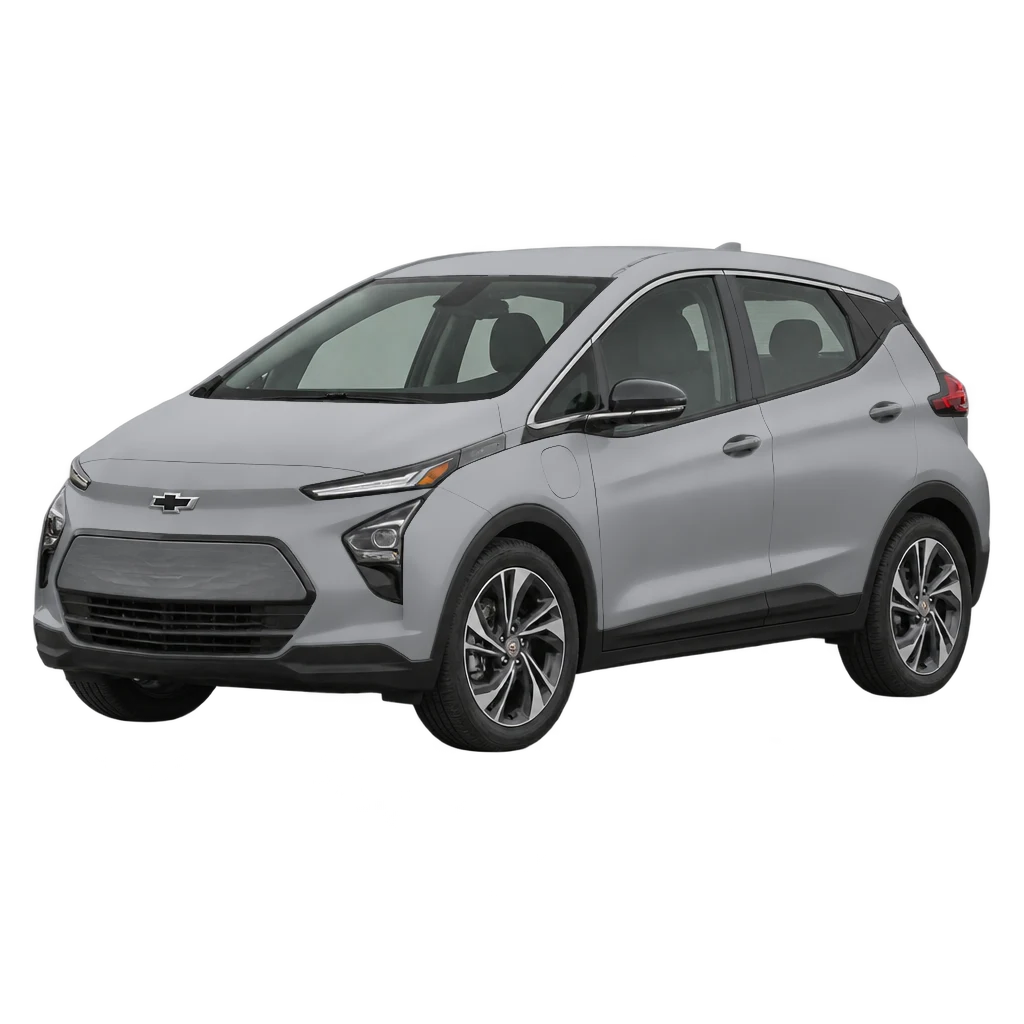
Original Bolt EV models use a lithium-ion battery, with capacity and driving range varying by model year. The 2022 and 2023 Bolt EV used a 65 kWh battery and offered an EPA-estimated 259 miles of range. Earlier vehicles had different specifications, and some received replacement batteries through General Motors recall programs.
The 2027 Chevrolet Bolt introduces a 65 kWh lithium iron phosphate (LFP) battery, 210-horsepower electric motor, 262-mile EPA-estimated range, and standard NACS charging port. Its updated architecture supports substantially faster DC charging than earlier models.
Charging equipment is particularly important. Original Bolt EV vehicles use J1772 AC charging and CCS1 DC fast charging where equipped. The 2027 Bolt has a native NACS port, with compatible charging adapters available for other connector standards.
The earlier Bolt EV is distinct from the larger 2022-2023 Bolt EUV, which has its own SureEV guide. The 2027 Bolt is marketed simply as the Chevrolet Bolt, not as a continuation of the discontinued Bolt EUV.
A major ownership consideration involves the original Bolt EV battery recalls. General Motors recalled certain older Bolt EV vehicles because of potential battery manufacturing defects. Owners should check their VIN through Chevrolet or the National Highway Traffic Safety Administration (NHTSA) to determine whether any recall remedy remains outstanding.
Recall history does not automatically establish that a vehicle is unsafe, uninsured, or subject to a particular premium. Insurance coverage, vehicle condition, and completed repairs must be evaluated individually.
Original Bolt EV models feature Chevrolet infotainment and driver-assistance equipment that varies by year and trim. The 2027 Bolt offers updated displays, safety systems, and available Super Cruise hands-free driver assistance.
For insurance comparisons, owners should identify model year, VIN, battery service history, actual charging equipment, current vehicle value, factory options, annual mileage, coverage limits, and deductibles.
How Much Does Chevrolet Bolt EV Insurance Cost?
Chevrolet Bolt EV insurance premiums depend on the driver, vehicle, location, coverage selections, and insurer underwriting. There is no single nationwide insurance price that accurately represents all Bolt EV owners. Driving record, claims history, annual mileage, garaging location, vehicle usage, deductibles, liability limits, and available discounts may influence personalized quotes. Model year is especially important. A used 2017 Bolt EV with high mileage and a documented battery replacement has different valuation and repair considerations from a newer 2023 Bolt EV or 2027 Bolt. The original Bolt EV's current market value affects collision and comprehensive insurance decisions. Its original purchase price does not necessarily reflect the actual cash value payable after an eligible total loss. The 2027 Bolt has updated LFP battery technology, faster charging capability, new electronic equipment, and available Super Cruise. These changes may influence specific repairs and vehicle valuation, although they do not guarantee higher or lower premiums. The high-voltage battery, electric drive motor, power electronics, charging port, and thermal management systems may require qualified inspection or repair following certain insured accidents. Battery recall history is another consideration for original Bolt EV models. An owner should verify the vehicle's recall status, completed remedies, and relevant service records. A manufacturer safety recall is not the same as an automobile insurance claim, and ordinary recall repairs are generally handled separately. Body panels, glass, lighting, electronic controls, and driver-assistance components may affect certain collision repair estimates. The specific equipment varies by generation and trim. Charging hardware also differs substantially. Older Bolt EVs generally use CCS1 for DC fast charging when equipped, while the 2027 Bolt uses NACS. Repair estimates should identify the installed components. Owners should compare liability, collision, comprehensive, uninsured or underinsured motorist protection, applicable medical coverage, towing, and rental reimbursement. For financed or leased vehicles, optional loan or lease gap protection may be relevant, subject to contract terms. Insurance comparisons should use equivalent limits, deductibles, and benefits. SureEV does not invent national average premiums, repair costs, or guaranteed discounts.
What affects insurance cost
Several factors specific to the Chevrolet Bolt EV are worth understanding when shopping for insurance.
Model Year, Generation, and Vehicle Value
Original 2017-2023 Bolt EV models and the returning 2027 Bolt differ in equipment, charging technology, battery construction, and market value. Mileage, condition, factory options, and repair history may also influence insurance classification and total-loss valuation.
Battery Technology and Recall History
Older Bolt EV models use lithium-ion batteries, while the 2027 Bolt introduces LFP chemistry. Certain original vehicles were subject to battery safety recalls. VIN-specific recall status, completed remedies, and actual battery condition should be distinguished from covered accident damage.
Electric Drivetrain and Specialized Repairs
The front-wheel-drive electric motor, traction battery, thermal management, and high-voltage components may require qualified inspections after certain collisions. Necessary procedures depend on actual damage, manufacturer instructions, and available replacement parts.
Charging Equipment and Model-Year Differences
Earlier Bolt EV models use J1772 AC charging and CCS1 DC fast charging where equipped. The 2027 Bolt uses a standard NACS port and supports substantially faster DC charging. Repair estimates must identify the correct charging hardware.
Body, Glass, and Driver-Assistance Equipment
Collision repairs may involve model-specific panels, lighting, glass, and electronic safety equipment. The 2027 Bolt introduces updated cameras, sensors, displays, and available Super Cruise. Calibration requirements depend on actual installed equipment and damage.
Driver Profile, Coverage, and Deductibles
Garaging location, driving history, annual mileage, vehicle use, coverage limits, deductibles, and insurer underwriting can affect premiums. Owners should compare equivalent coverage and review physical damage protection against their vehicle's current value.
Battery and insurance
The Chevrolet Bolt EV uses a high-voltage traction battery that supplies energy to its front electric drive motor. Battery construction, capacity, and management systems vary between the original generation and the returning 2027 Bolt. Original 2017-2023 vehicles use lithium-ion batteries, while the 2027 Bolt introduces lithium iron phosphate chemistry. Battery systems and replacement components should not be assumed interchangeable. Collision insurance may cover eligible physical battery damage caused by an insured accident. Comprehensive coverage may apply to qualifying non-collision events, including certain fires, flooding, or falling-object damage. Coverage depends on the cause of loss, policy wording, exclusions, and deductibles. Ordinary battery degradation, gradual capacity loss, wear, and unrelated mechanical or electrical failure generally fall outside standard automobile insurance. Manufacturer warranty protection operates separately. The original Bolt EV battery recalls require particular attention. General Motors recalled affected vehicles because certain battery manufacturing defects could increase fire risk under particular conditions. Owners should verify their specific VIN, recall completion status, and service history through official GM or NHTSA records. Not every original Bolt EV has the same repair history, replacement battery, or outstanding recall status. A recall remedy is different from insurance coverage for an accident. Owners should not assume an insurer pays for routine manufacturer recall work or that an outstanding recall automatically determines insurance eligibility. Following significant collisions, underbody impacts, or flooding, qualified technicians may need to inspect battery protection structures, mounting points, cooling equipment, electrical isolation systems, and high-voltage connections. A required inspection does not automatically establish that the entire battery needs replacement. Actual damage and applicable manufacturer procedures determine the appropriate action. Charging equipment also differs by generation. Older vehicles may have CCS1 fast-charging equipment, while the 2027 Bolt has a NACS port. Separately purchased charging accessories and home charging equipment may require different insurance treatment. Owners should avoid personally opening, disconnecting, or repairing suspected damaged high-voltage systems. When comparing policies, ask how eligible battery damage, manufacturer-specified inspections, specialized labor, towing, and replacement components are handled.
Repair considerations
Repairing a Chevrolet Bolt EV requires accurate identification of the model year, battery configuration, and installed electrical systems. Original Bolt EV vehicles have different battery packs, charging hardware, and electronic equipment from the 2027 Bolt. Repair facilities should use the correct Chevrolet or General Motors service information and compatible replacement components. Following certain collisions, qualified technicians may need to inspect the traction battery, cooling system, high-voltage connections, electric motor, and associated power electronics. Not every accident requires battery or propulsion-system repairs. Minor exterior damage should be evaluated based on actual affected components. For original Bolt EV models, battery recall and replacement history can influence which components are installed. Owners should maintain documentation of completed factory remedies and significant repairs. Bodywork may involve model-specific bumpers, doors, glass, lighting, rear liftgate components, and structural elements. The redesigned 2027 Bolt may require different replacement parts from earlier vehicles. Charging-port repairs must reflect the correct generation. Older CCS1 systems and the newer NACS system are not interchangeable simply because both are used for electric vehicle charging. The 2027 Bolt's updated electronic systems and available Super Cruise may require additional diagnostics or calibration when affected by covered accidents. Older Bolt EV models can also require electronic diagnosis after certain repairs, although they do not have the same driver-assistance equipment as the latest generation. Owners should ask whether the insurer's repair network can service the particular Bolt EV generation and perform or arrange qualified high-voltage work. Replacement-part availability, required safety procedures, and repair scheduling may influence transportation needs. Rental reimbursement and towing benefits should be evaluated according to policy terms, limits, and eligibility.
Cameras, sensors, glass and technology
Technology differs significantly between the original Chevrolet Bolt EV and the returning 2027 Bolt. Earlier Bolt EV vehicles include digital driver information displays, Chevrolet infotainment systems, stability control, and driver-assistance features that vary by model year and trim. Later original-generation vehicles offer additional safety features, including automatic emergency braking, lane assistance, and available adaptive cruise control on equipped models. The 2027 Bolt features an updated 11.3-inch touchscreen, 11-inch driver information center, modern safety technology, and available Super Cruise. Super Cruise provides hands-free driver assistance on compatible roads under specified conditions. It requires an attentive driver and is not autonomous driving. Cameras, radar sensors, and other electronic components may require inspection or manufacturer-specified calibration following certain eligible windshield, bumper, mirror, or collision repairs. Not every Bolt EV has these systems, and a camera warning does not automatically mean a replacement is necessary. The vehicle's glass, lighting, parking sensors, electronic controls, and charging-related equipment should be identified accurately in covered repair estimates. Older Bolt EV models also contain battery management, regenerative braking, charging communication, and electric propulsion electronics that may require specialized diagnosis. Physical damage to factory-installed electronics resulting from an eligible insured event may be covered, subject to policy terms. Ordinary malfunction, software subscriptions, and normal wear generally are not covered physical damage. Owners should verify how their insurer handles necessary electronic diagnostics, qualified labor, replacement components, and driver-assistance calibration following eligible covered losses.
Coverage considerations
Chevrolet Bolt EV owners should compare liability, collision, comprehensive, uninsured or underinsured motorist protection, and applicable medical coverage. Requirements and available benefits depend on the state and insurer. Liability coverage generally addresses qualifying injuries or property damage for which the insured driver is legally responsible. It generally does not pay to repair the owner's own Bolt EV. Collision coverage may apply to eligible accident-related damage to the traction battery, electric drivetrain, body structure, charging equipment, glass, or factory-installed electronics. Comprehensive coverage generally applies to qualifying non-collision losses, such as theft, certain fires, flooding, hail, and falling objects. All coverage depends on policy terms, exclusions, and deductibles. The original 2017-2023 Bolt EV and the 2027 Bolt have different batteries, charging systems, and electronic equipment. Insurers and repair facilities should identify the correct vehicle rather than assume identical components across generations. For older Bolt EVs, battery recall work should be distinguished from insured physical damage. Manufacturer recall remedies are generally administered separately from automobile insurance claims. Ordinary battery degradation, capacity loss, wear, and unrelated equipment failure generally fall outside standard auto insurance. Applicable manufacturer warranties provide separate protection subject to their terms. Certain covered collisions may require specialized battery inspections, high-voltage diagnostics, or manufacturer-specified safety procedures. A required inspection does not automatically mean the entire battery must be replaced. Depending on factory equipment, camera, radar, and other driver-assistance components may require calibration following eligible windshield or collision repairs. Owners of used Bolt EVs should evaluate physical damage coverage against the vehicle's current value, deductibles, and premiums. For the returning 2027 Bolt, updated electronics, NACS charging equipment, and available Super Cruise create different repair considerations. Optional towing, rental reimbursement, and loan or lease gap coverage may be useful depending on the driver's circumstances, subject to policy limits and eligibility. Compare policies using equivalent coverage limits, deductibles, and optional benefits rather than premium alone.
Deductibles
A deductible is the amount an insured owner must pay toward an eligible covered claim before the applicable insurer payment. Collision and comprehensive coverage commonly have separate deductibles. Higher deductibles may reduce insurance premiums but increase out-of-pocket expenses after a claim. Lower deductibles generally have the opposite effect. For a used 2017-2023 Bolt EV, deductible decisions should reflect current actual cash value, mileage, condition, and the owner's ability to absorb unexpected costs. A deductible representing a substantial portion of an older vehicle's value can reduce the practical benefit of certain physical damage claims. The returning 2027 Bolt may have a different value and repair exposure because of its newer battery, charging equipment, electronics, and available driver-assistance systems. Certain covered repairs may involve high-voltage safety procedures, specialized components, or electronic calibration. However, not every collision affects these systems. Glass coverage and related deductibles deserve attention because equipped vehicles may require camera or sensor inspection after certain windshield repairs. Provisions vary by state and insurer. Owners financing or leasing a Bolt should review any deductible requirements in their agreements. Compare personalized quotes using consistent collision and comprehensive deductibles. Select amounts that are financially manageable rather than assuming one deductible suits every Bolt owner. Review coverage and deductibles periodically as the vehicle ages, its market value changes, or financing obligations decrease.
Accidents and total loss
Following an accident involving a Chevrolet Bolt EV, personal safety comes first. Request emergency assistance when appropriate and avoid contact with suspected damaged high-voltage equipment. Significant collisions, underbody impacts, or flooding may require qualified inspection before the vehicle is operated or charged. Repair estimates should identify the exact model year, battery configuration, charging equipment, factory options, and damaged components. Original Bolt EV vehicles may have different battery service histories because of GM recall programs. Owners should provide available documentation of completed recalls, replacement batteries, and significant repairs. The 2027 Bolt uses different battery chemistry, electronic equipment, and charging hardware from earlier Bolt EV models. Replacement parts and repair procedures should match the actual vehicle. Depending on the accident, covered repairs may involve battery protection structures, electric drive units, cooling equipment, body panels, lighting, glass, or electronic systems. Driver-assistance cameras and sensors may require manufacturer-specified calibration when affected. A battery inspection requirement does not automatically establish that complete battery replacement is necessary or that the vehicle is a total loss. An insurer may declare a Bolt EV a total loss when applicable policy and state-law criteria are satisfied. Depending on the jurisdiction, relevant considerations may include repair costs, actual cash value, salvage value, and legal requirements. Under standard actual cash value coverage, settlement generally reflects the vehicle's value immediately before the covered loss, subject to policy terms and applicable law. Valuation should consider model year, mileage, condition, factory features, relevant battery service documentation, and appropriate market comparables. A 2017 Bolt EV should not automatically be valued using a 2027 Bolt or the separate Bolt EUV as an identical comparable vehicle. Original purchase price does not necessarily determine current market value. Owners should review valuation reports for errors involving model identification, battery configuration, trim, mileage, condition, factory equipment, or comparable vehicles. Window stickers, service records, photographs, recall documentation, and relevant market listings may help support an accurate valuation. For financed or leased vehicles, optional gap protection may address certain qualifying differences between a total-loss settlement and the outstanding balance, subject to contract terms. Disputed valuations are handled under applicable policy provisions and state requirements.
Questions to ask an insurer
Does your quote correctly identify my Chevrolet Bolt EV model year, VIN, trim, battery configuration, factory options, current vehicle value, and whether it is the original generation or returning 2027 Bolt?
Does collision or comprehensive insurance cover eligible physical damage to the Bolt's traction battery, electric drive motor, charging equipment, and associated high-voltage components, and what exclusions apply?
Can I use a qualified Chevrolet EV repair facility, and how does the insurer handle manufacturer-specified battery inspections, electrical safety procedures, specialized parts, and labor?
For an original Bolt EV, how does the insurer account for documented battery recall remedies, replacement battery history, and current vehicle condition when evaluating an eligible claim?
Are necessary camera, radar sensor, windshield-related diagnostics, and driver-assistance calibrations covered after an eligible repair, including Super Cruise-related equipment on an equipped 2027 Bolt?
If my Bolt is declared a total loss, how will the insurer determine actual cash value using the correct generation, model year, mileage, equipment, condition, and relevant market comparables?
What liability limits, collision and comprehensive deductibles, uninsured or underinsured motorist coverage, towing, rental reimbursement, and optional loan or lease gap benefits are available?
Ways to shop smarter
Request personalized quotes using the correct Bolt VIN, model year, generation, trim, garaging location, annual mileage, factory options, and driver information.
Compare equivalent liability limits, collision and comprehensive deductibles, uninsured or underinsured motorist protection, and optional benefits.
For original Bolt EV models, verify VIN-specific battery recall status and keep documentation of completed remedies or replacement batteries.
Confirm how eligible physical damage to the high-voltage battery, electric drivetrain, charging equipment, and cooling systems is covered.
Ask whether the insurer's repair network can service your particular Bolt generation and perform or arrange necessary high-voltage diagnostics and repairs.
Identify whether your vehicle has original-generation J1772 and CCS1 charging equipment or the newer 2027 NACS system, and ensure repair estimates reflect the correct hardware.
Review glass coverage, driver-assistance calibration, towing, rental reimbursement, roadside assistance, and optional gap protection where applicable.
Reevaluate your vehicle's current market value, deductibles, coverage needs, battery service history, available discounts, and competing quotes at renewal.
Frequently asked questions
Is the Chevrolet Bolt EV expensive to insure?
Bolt insurance premiums depend on driver history, location, model year, vehicle value, coverage selections, deductibles, and insurer. Original 2017-2023 models and the returning 2027 Bolt have different equipment and valuation considerations. Compare personalized quotes instead of relying on unsupported nationwide averages.
Does insurance cover the Chevrolet Bolt EV battery?
Collision or comprehensive coverage may apply to battery damage caused by an eligible insured event, subject to policy terms. Ordinary battery degradation, wear, and unrelated electrical or mechanical failures generally are not covered by standard auto insurance. Manufacturer recalls and warranties are separate.
What years was the original Chevrolet Bolt EV produced?
The original Chevrolet Bolt EV was sold for the 2017 through 2023 model years. Chevrolet later introduced a substantially updated Bolt for the 2027 model year, following a production break.
Did Chevrolet Bolt EV batteries have a recall?
General Motors recalled certain original Bolt EV vehicles because of potential battery manufacturing defects. Remedies varied by vehicle and recall campaign. Owners should check VIN-specific recall status and completed repairs through Chevrolet or NHTSA rather than assume every vehicle has the same battery history.
What is different about the 2027 Chevrolet Bolt?
The 2027 Bolt introduces a 65 kWh LFP battery, 262-mile EPA-estimated range, standard NACS charging port, faster DC charging, updated displays, modern safety equipment, and available Super Cruise. It differs from the original 2017-2023 Bolt EV.
Is the Chevrolet Bolt EV front-wheel drive?
Yes. Both the original Bolt EV and returning 2027 Bolt use front-wheel drive. Motor specifications, battery equipment, charging technology, and available features differ between generations.
Does the Chevrolet Bolt EV use CCS or NACS charging?
Original Bolt EV models use J1772 AC charging and CCS1 DC fast charging where equipped. The 2027 Bolt uses a native NACS port. Owners should verify charging compatibility and use approved equipment or adapters for their actual vehicle.
How is a Chevrolet Bolt EV valued after a total loss?
Standard actual cash value coverage generally reflects the vehicle's value immediately before the covered loss, subject to policy terms and applicable law. Model year, mileage, condition, equipment, battery service history, and suitable comparable vehicles may be relevant.
Can I compare Chevrolet Bolt EV insurance quotes online?
Yes. Comparison services may help owners explore quotes depending on insurer participation, state availability, vehicle eligibility, and underwriting. Compare equivalent coverage limits, deductibles, and optional benefits. Quotes are not guaranteed from every insurer.
Related EV insurance topics
Ready to compare?
Compare EV insurance options and find coverage that fits your needs.