


















Tesla Model 3 Insurance in Florida
Florida PIP and property damage liability requirements, Tesla Model 3 battery coverage, hurricane and flood risks, specialized repairs, and how to compare insurance policies.
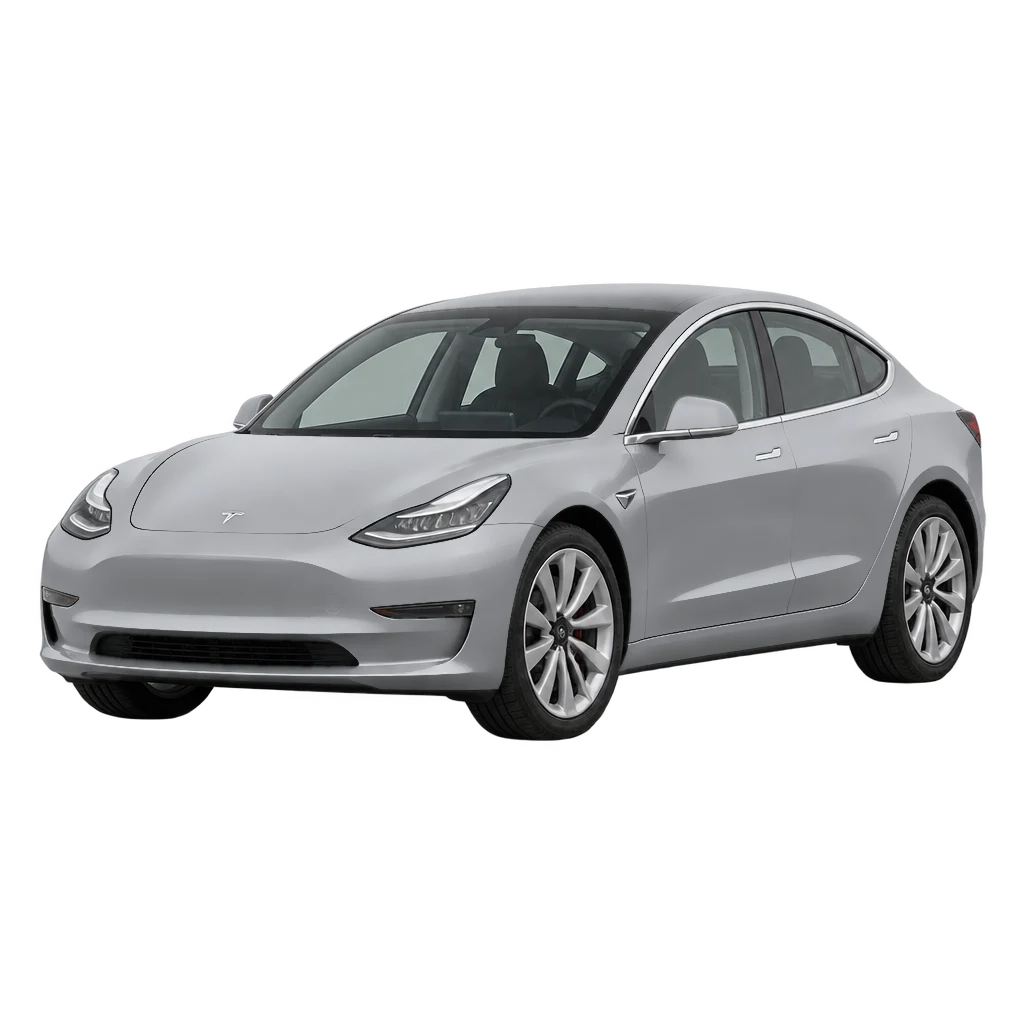
Insuring a Tesla Model 3 in Florida involves understanding the state's no-fault insurance requirements and evaluating coverage for an electric vehicle's battery, electronics, glass, and specialized repairs.
Florida's hurricane season, heavy rainfall, and flood exposure also make it important to understand the difference between mandatory liability-related coverages and optional physical damage protection.
Whether you drive in Miami, Fort Lauderdale, Orlando, Tampa, Jacksonville, West Palm Beach, or elsewhere in Florida, the right insurance policy depends on your vehicle, driving circumstances, and selected coverage.
Florida Insurance Requirements for the Tesla Model 3
For most ordinary private passenger vehicle registrations, Florida requires:
- $10,000 in Personal Injury Protection, commonly called PIP.
- $10,000 in Property Damage Liability, commonly called PDL.
PIP helps pay eligible accident-related injury expenses regardless of who caused the crash, subject to statutory conditions.
PDL helps pay for covered damage you cause to another person's vehicle or property.
These minimum coverages generally do not pay to repair your own Tesla Model 3 following an at-fault collision.
Unlike many states, Florida does not universally require every ordinary private passenger vehicle owner to purchase bodily injury liability insurance merely to register a vehicle.
However, Florida's financial responsibility laws can impose bodily injury liability requirements in certain circumstances, including qualifying accidents, violations, and other situations.
Some drivers may need to maintain higher or additional coverage based on their driving history or legal circumstances.
Even when bodily injury liability is not mandatory for a particular driver, it is important to evaluate because an at-fault accident can create significant financial exposure.
How Florida Personal Injury Protection Works
Florida is a no-fault automobile insurance state for qualifying injury benefits.
PIP generally helps pay eligible expenses for covered people after an automobile accident, regardless of fault.
Standard PIP benefits commonly include:
- 80% of qualifying reasonable and necessary medical expenses, subject to applicable limits.
- 60% of qualifying lost income, subject to policy and statutory conditions.
- Certain replacement services and other statutory benefits.
- A separate death benefit under applicable law.
Florida generally requires initial medical treatment within 14 days after an accident for PIP medical benefits.
Without a qualifying emergency medical condition, the medical benefit limit may be restricted to $2,500.
When an appropriate medical professional determines that an emergency medical condition exists, eligible benefits may be available up to the applicable $10,000 PIP limit.
Deductibles and certain coverage elections can affect how PIP benefits are paid.
PIP does not replace bodily injury liability, collision, comprehensive, or uninsured motorist protection.
Bodily Injury Liability and Uninsured Motorist Coverage
Bodily injury liability insurance can help pay eligible injuries and related claims when you are legally responsible for an accident.
Florida's ordinary registration minimums should not be interpreted as a guarantee that $10,000 in PIP will cover another person's injuries or protect you from a bodily injury lawsuit.
Uninsured and underinsured motorist coverage can help protect insured people against qualifying bodily injury losses caused by drivers who lack sufficient liability insurance.
Florida insurers generally must offer uninsured motorist coverage with qualifying bodily injury liability policies, subject to applicable rejection or selection requirements.
Florida also offers stacked and non-stacked uninsured motorist options, with different policy terms and coverage considerations.
UM/UIM is not a substitute for collision or comprehensive insurance and generally does not repair your own Model 3.
Review bodily injury liability and UM/UIM options rather than choosing a policy solely because it meets the basic registration requirements.
What Affects Tesla Model 3 Insurance Costs in Florida?
There is no universal insurance premium for Florida Model 3 owners.
Pricing can depend on:
- Driving record and experience.
- Garaging address and vehicle usage.
- Annual mileage.
- Model 3 model year and configuration.
- Selected liability and optional coverage limits.
- Collision and comprehensive deductibles.
- Insurer-approved rating factors and available discounts.
- Vehicle repair costs and relevant claims experience.
- Applicable underwriting and coverage rules.
Insurance considerations in Miami or Fort Lauderdale may differ from those in Orlando, Tampa, or smaller Florida communities.
However, location alone does not determine an individual's premium.
Compare quotes using consistent vehicle details, driver information, coverage limits, and deductibles.
Coverage Worth Considering for a Florida Model 3
Collision Coverage
Collision insurance can help pay for covered damage to your Model 3 following a collision with another vehicle or object, subject to your deductible and policy terms.
Tesla repairs may require specialized body components, electronic diagnostics, and manufacturer procedures.
Comprehensive Coverage
Comprehensive insurance generally covers eligible non-collision losses such as theft, vandalism, fire, flooding, falling objects, and certain storm damage.
Florida Model 3 owners should carefully evaluate comprehensive protection because hurricane-related flooding, falling debris, and windstorm damage may create substantial vehicle losses.
Glass Coverage
The Model 3 includes windshield and other glass components that may require specialized repair procedures.
Florida law provides important protections concerning deductibles for qualifying windshield damage under applicable comprehensive coverage.
However, windshield treatment should not be assumed to apply identically to every glass component, glass roof, or policy situation.
Ask the insurer about the applicable windshield rules, other glass deductibles, and any necessary camera calibration.
Rental Reimbursement and Roadside Assistance
Rental reimbursement can help pay eligible transportation expenses while your Model 3 undergoes repairs following a covered loss.
Roadside assistance may provide towing or other services after an eligible breakdown or incident.
Ask whether towing providers follow Tesla's recommended procedures for transporting the vehicle.
Review benefit limits, exclusions, and the availability of transportation during extended repairs.
Tesla Model 3 Battery Insurance and Warranty
The Model 3's high-voltage battery is a major vehicle component, but standard automobile insurance and Tesla's manufacturer warranty serve different purposes.
Battery damage caused by a covered collision, fire, flood, or another insured event may qualify for collision or comprehensive benefits.
Ordinary battery degradation, mechanical failure, and manufacturing defects generally are not covered by standard automobile insurance.
Tesla provides separate Battery and Drive Unit Limited Warranty protection for qualifying Model 3 vehicles.
Depending on the specific model year and configuration, Tesla's warranty may provide eight years of coverage with a mileage limit such as 100,000 or 120,000 miles, subject to the applicable warranty documentation.
Tesla also specifies battery capacity retention provisions in qualifying warranties.
Do not assume every Model 3 has identical warranty limits or coverage terms.
Review the warranty applicable to your exact vehicle, including any ownership and model-year conditions.
Tesla Model 3 Repairs, Glass, and Technology
The Model 3 includes cameras, electronic control systems, glass components, and integrated driver-assistance technology.
Some collision or glass repairs may require manufacturer procedures, diagnostics, or post-repair checks.
Tesla operates collision centers and maintains an approved repair network.
Before choosing an insurer, ask:
- Can I use a Tesla-approved collision repair facility?
- How does the policy handle original Tesla replacement parts?
- Are necessary diagnostics and repair procedures covered?
- What deductible applies to windshield and other glass damage?
- How long will rental reimbursement remain available if repairs are delayed?
Repair facility choices, covered expenses, and claims procedures vary by insurer and policy.
Florida Hurricanes, Flooding, and Coastal Risks
Florida Model 3 owners may face tropical storms, hurricanes, heavy rainfall, coastal flooding, and falling debris.
Comprehensive insurance may apply to eligible flood, windstorm, and falling-object damage, depending on policy terms.
Collision insurance may apply to covered driving-related accidents.
Florida's mandatory PIP and PDL do not provide physical damage protection for your own Model 3.
For an electric vehicle, flooding involving the high-voltage battery can require specialized inspection and handling.
Do not attempt to charge or operate a flood-damaged EV until it has been evaluated by qualified professionals in accordance with manufacturer and emergency safety guidance.
Review comprehensive deductibles, exclusions, and claim procedures before hurricane season.
How to Compare Tesla Model 3 Insurance in Florida
When comparing policies, review:
- Required $10,000 PIP and $10,000 PDL.
- Bodily injury liability limits appropriate to your circumstances.
- Uninsured and underinsured motorist protection.
- Collision and comprehensive coverage.
- Hurricane, flooding, and glass-related coverage provisions.
- Tesla repair facility and replacement-part terms.
- Battery-related claims and applicable exclusions.
- Rental reimbursement and roadside assistance.
If your Model 3 is financed or leased, your lender or leasing company may require collision and comprehensive insurance.
GAP protection may also be worth considering when your outstanding loan or lease balance could exceed the vehicle's insured value following a total loss. Compare equivalent coverage selections rather than choosing solely by the lowest advertised premium.
Frequently Asked Questions
What is the minimum Tesla Model 3 insurance required in Florida?
For most ordinary private passenger vehicle registrations, Florida requires $10,000 in Personal Injury Protection and $10,000 in Property Damage Liability. Additional bodily injury liability or financial responsibility requirements can apply in certain circumstances.
Does Florida require bodily injury liability insurance for every Model 3 owner?
Not universally for ordinary vehicle registration. However, certain accidents, violations, or other circumstances can trigger additional financial responsibility requirements. Bodily injury liability coverage is worth evaluating even when it is not legally required.
Does Florida require full coverage on a Tesla Model 3?
Florida generally does not require collision or comprehensive insurance by law for privately owned passenger vehicles. However, lenders and leasing companies may require both. "Full coverage" is not a standardized insurance policy.
Does insurance cover hurricane or flood damage to a Tesla Model 3?
Comprehensive insurance may cover eligible hurricane-related or flood damage, subject to policy terms, exclusions, and deductibles. PIP and property damage liability do not cover physical damage to your own Model 3.
Compare Tesla Model 3 Insurance Options
Florida Model 3 owners should compare liability protection, PIP benefits, uninsured motorist coverage, comprehensive protection, and Tesla-specific repair provisions before choosing an insurer. Understanding these differences can help you evaluate available insurance options more effectively.
About This Guide
SureEV provides general educational information and access to insurance comparison services. SureEV is not an insurance carrier and does not issue, underwrite, or bind policies. Coverage availability, eligibility, rates, and terms depend on the insurer and applicant. This guide is not personalized insurance advice.